Horse Grooming & Horse Care
Summer Horse Care Tips
There's no question about it, horses are high-performance athletes! No matter if they're an endurance horse traversing many miles over varying terrains, a barrel racer making impossibly tight turns, or an event horse flying across a cross-country course, it's important to put time and effort into ensuring the care of our equine partners.
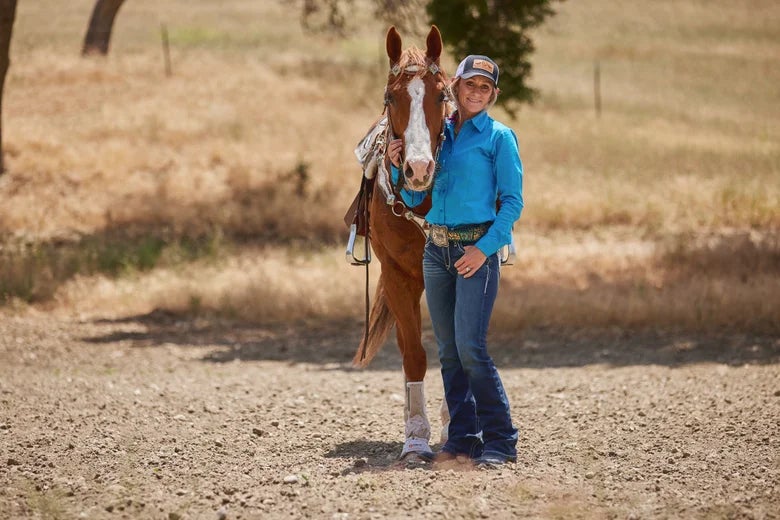
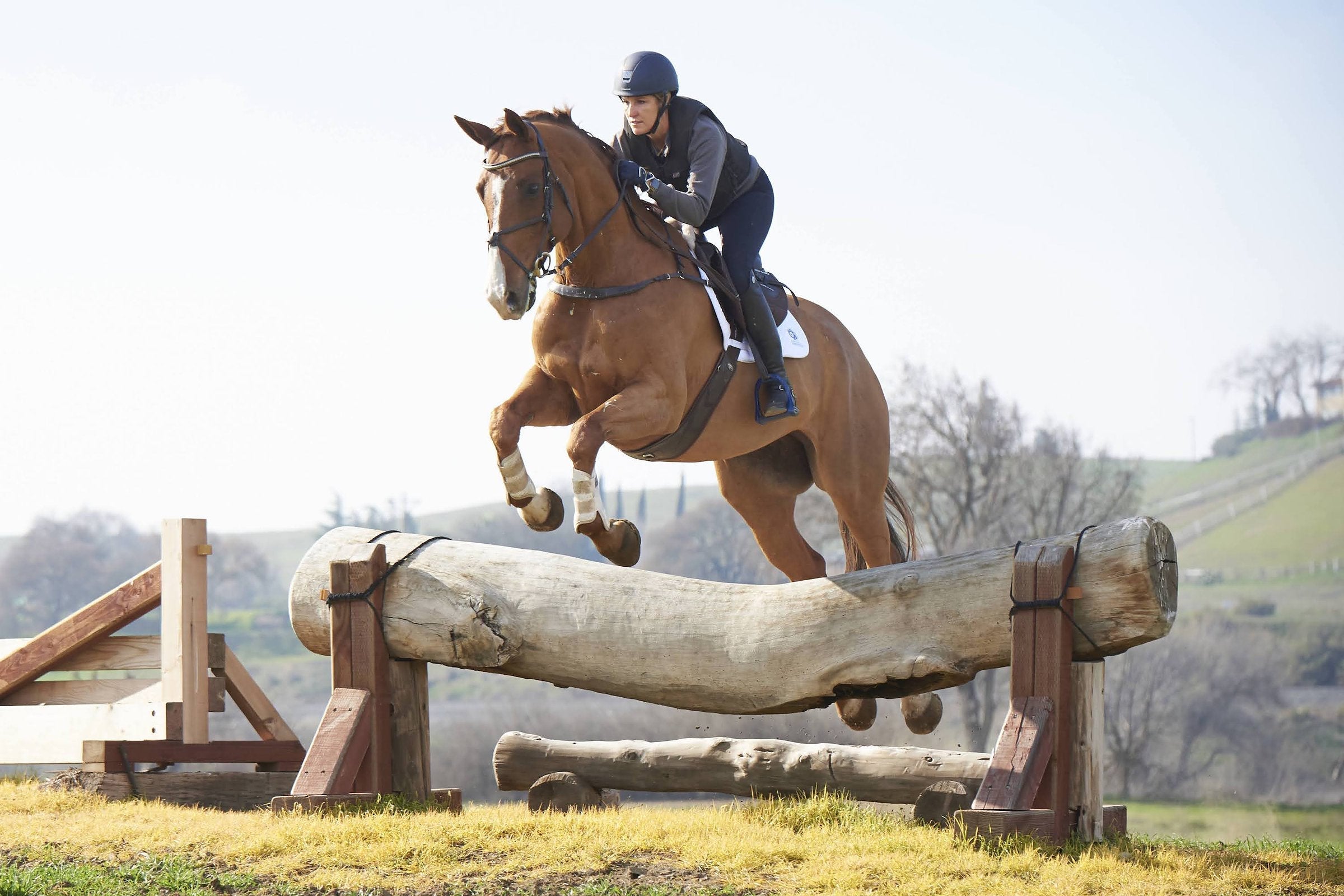
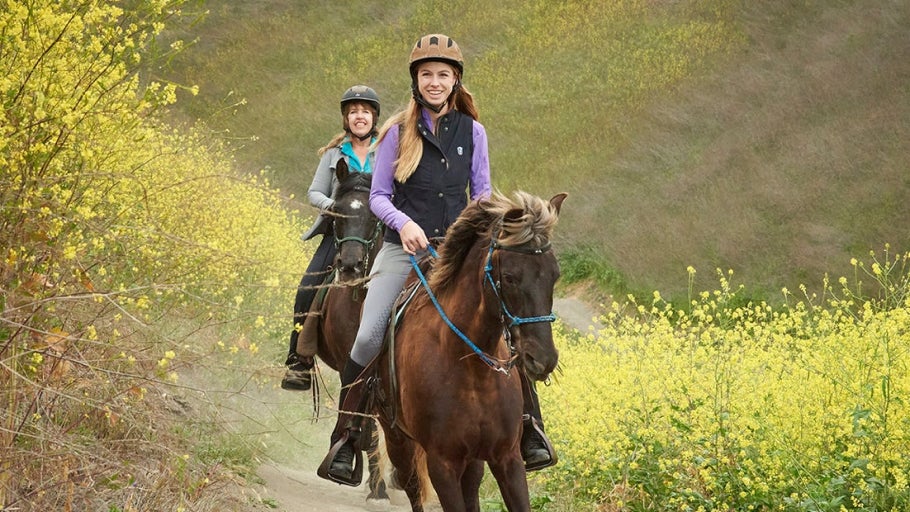
In this guide, we'll review simple practices that can make all the difference in a successful cooldown for your horse. For additional insight, we teamed up with RW-sponsored riders Krista Williams, a WPRA Champion barrel racer, and Bec Braitling, a 5* event rider, to get some of their pro tips on caring for their four-legged partners after a ride. Whether you've just gone for a leisurely stroll down the trail or you've finished an intense day of competition, these routines will help ensure happy and healthy horses.
After a strenuous ride, your horse's recovery process begins with cooling them down while their muscles are tired and fatigued. If a hot horse is not properly cooled, the strain on their muscles, joints, and tissues can cause injury, a pulled muscle, heat stroke, or other problems. It is particularly important to take extra precautions in hot and humid weather; humid conditions decrease the rate at which sweat evaporates from the skin surface, inhibiting your horse's natural thermoregulation.
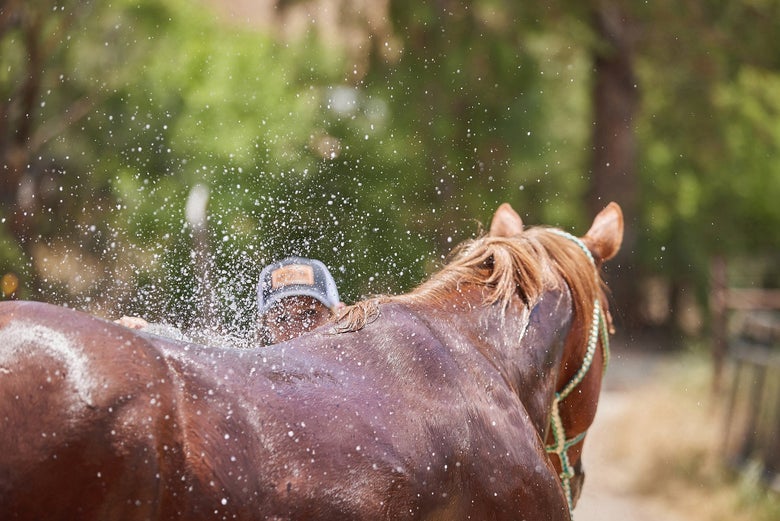
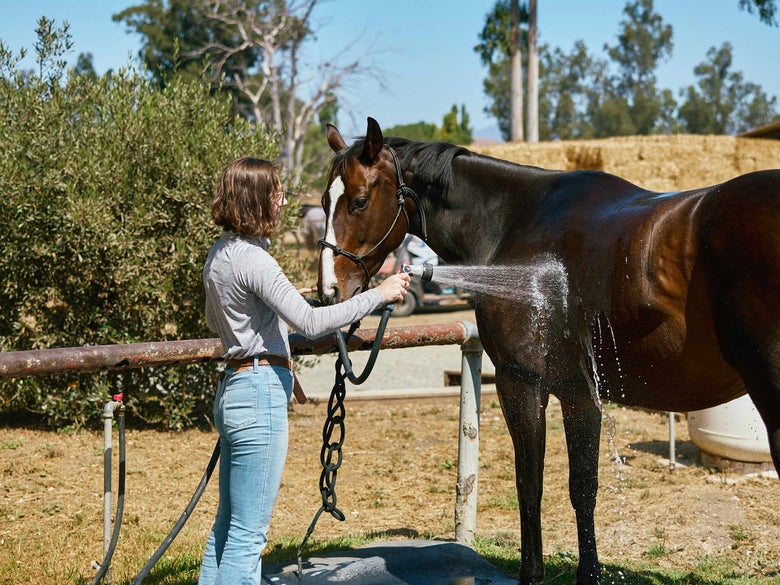
Hosing your horse down with a continuous flow of cold water for 10 to 20 minutes is an efficient way to keep them cool. Start at the hooves and slowly work your way up the legs, chest, and neck. Work your way over the back and rump in hot and humid conditions; however, you might want to avoid the major haunch muscles in dry, mild climates in order to prevent the possibility of your horse tying-up. Know your horse and use your discretion, as you will find varying opinions on this matter. If in doubt, consult a veterinarian for their professional insight.
Water, water, water! You can be pretty constant about it and get as much water as you can on them. It really does make a big difference in getting the heat and temperature out of their body, especially focusing on the vascular areas like the throat and legs.
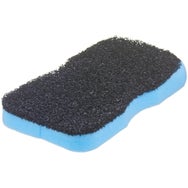
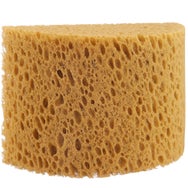
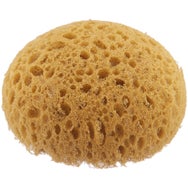
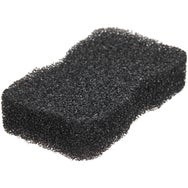
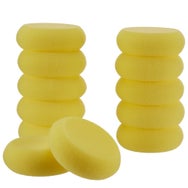
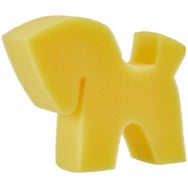
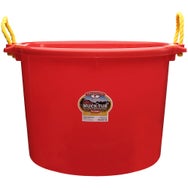
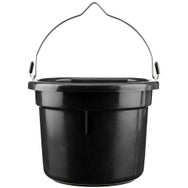
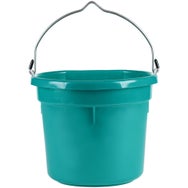
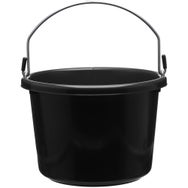
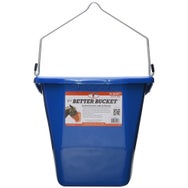
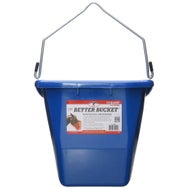
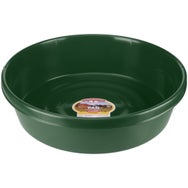
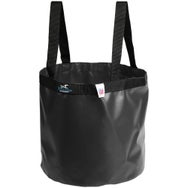
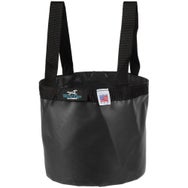
You might be at a location or event where you won't have access to a running hose, and more riders than just you are looking to cool their horses down. A good workaround here is to use a round of buckets to keep pouring cold water over your horse. You can also use a bucket and sponge to apply cold water, scrape to remove, then apply more cold water. Removing the water warmed by your horse's body and putting more cold water back on cools your horse's core temperature at a faster rate.
Once your horse's muscles have relaxed a bit from the cold water therapy, continue to cool them down with easy, light exercise. Stagger between grazing, hand walking, and periodic jogs to encourage the stretching of your horse's muscles through long, slow movements. The last thing you want to do after a ride is immediately put your hot horse back in their pen or leave them standing at the trailer!
I've always been a firm believer in icing after a workout or run. Icing helps to reduce inflammation in the horse's leg and cools down tissue, similar to humans. At home, I have a freezer in my tack room and use frozen ice packs with Saran Wrap after a workout. On the road, we use the XLR8 Cryotherapy Ice+Compression Boots. I have tried a lot of different brands and found that nothing gets as cold as straight ice.
When using ice boots, I get the leg wet first, pack the boots with ice, then let the horse chill with the boots for no more than 20 minutes after every run. If you ice for longer than 20 minutes you risk creating more inflammation and damaging soft tissue.
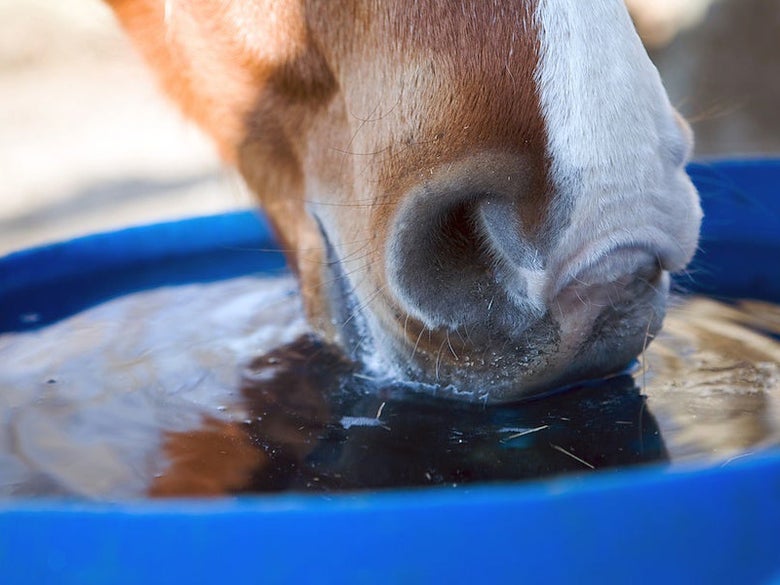
Offering your horse clean, fresh water will help replenish their fluid loss from sweating. Be aware that your horse might not want water right away; some horses may wait until they're fully cooled down to drink. You may also find that one horse prefers a long drink while another prefers periodic drinks. The vast majority of horses do not drink beyond what their stomach can handle, and it is arguably healthier for endurance horses to have immediate fresh water access following intense exercise. Your horse knows what its body needs, and a healthy equine will regulate its own water consumption.
If your horse is picky about their water sources, you may want to bring water from home with you to help them hydrate. A lot of riders choose to mix up mashes or offer soaked feed to get more water in their horses; this is also a great way to feed powdered electrolytes or other carrier supplements! No matter how you hydrate your horse, water is necessary for their metabolism (to help break down protein, carbohydrates, and fats). It is very important for horses to receive water to replenish the fluids they lost during the ride, especially in hot and humid conditions that increase fluid loss. Allow your horse to drink as much as they want!
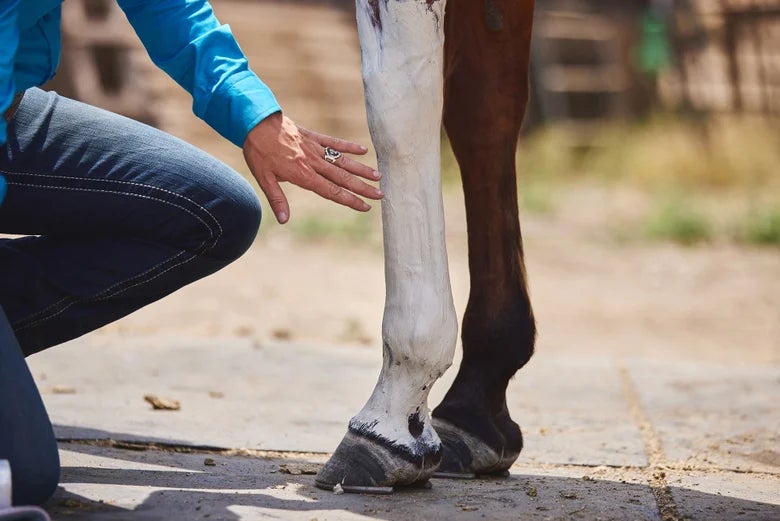
Standing wraps utilize compression therapy to keep legs tight after exercise and free of excess inflammation or swelling. Be sure to be mindful of the material of the standing wraps you use post-exercise, as some, like ceramic-infused, can create too much heat and cause soft tissue damage. Not only are wraps handy after rides, they are also a great tool to have on the road. Sponsored rider Krista Williams uses standing wraps on her horses in the trailer for comfort and at night after a barrel race to keep their legs nice and tight. Since horses who live in large paddocks or pastures are used to moving around more at night, when confined to a stall or smaller area, their legs are more likely to stock up and become inflamed and stiff.
In the warmer months, I use the 14-inch Lettia CoolMax No Bow Standing Wraps for the padding portion. They have a material on the inside designed to pull the moisture away from the horse's leg, and I've never had these get hot or cause my horse to sweat. I use a mild liniment under my wraps which helps to open pores and release tension. Finally, I finish with a 12-foot-long standing bandage.
While they are generally not strictly necessary, liniments and poultices are a tool riders may choose to take advantage of. It is important to note that liniments and poultices interact differently with your horse's skin when applied. Liniments contain menthol that offers topical pain relief by stimulating your horse's nerves as a counter-irritant. Clay poultices contain smectites that draw out moisture to absorb fluids, toxins, and any other contaminants. Whether you prefer a liniment or poultice, both help cool a horse's muscles while reducing stiffness, soreness, and inflammation. Liniments may be applied locally to a certain area like the legs, or to the entire body for overall muscle recovery. Poultices are typically applied to the legs only, then wrapped for the most efficacy. Poultices can also be packed into the hoofs to offer the additional benefit of relieving any bruising or pain after a long ride.
Some riders will choose to use a liniment as a bath brace right after their ride as part of their horse's cooling process for fast-acting relief. With poultices on the legs, however, it is recommended to use them after your horse has already recovered and cooled down. Applying poultice after a hosing or icing session actually helps extend the cooling effect for a deeper therapeutic treatment. Wrapping on top of a liniment or poultice will prolong their provided benefits, but follow the manufacturer's directions; not every liniment is suitable for use under wraps!
After hot trailer rides and in super warm weather, I cool the horses down with a liniment bath. The liniment helps open the pores in their skin and relaxes their muscles. Before I ice my horse's legs after a run, I give them a liniment bath to relax their muscles since they will be standing in ice for 20 minutes.
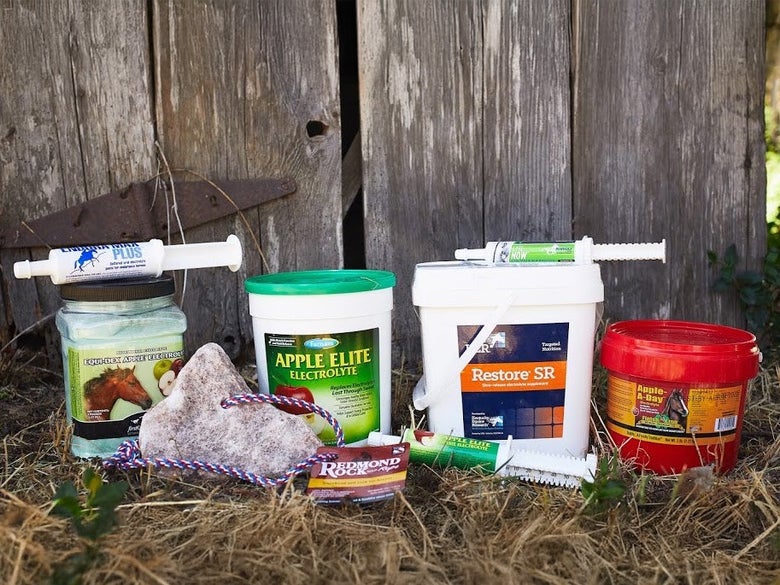
It is important to replace vital minerals that are lost from sweating (like sodium and potassium). Electrolyte supplements are specifically formulated to replenish your horse's depleted minerals while encouraging them to drink more water. Electrolytes should preferably be administered after your horse eats or drinks, so the ingredients can more effectively be absorbed and utilized by your horse's digestive system. Electrolyte solutions carry a small electrical charge that allows them to regulate the horse's nerves, muscles, and organs.
Each horse's electrolyte needs are unique to them, as some require more metabolic help than others. If your horse is given electrolytes without a healthy water intake, the high mineral levels in their blood can cause metabolic issues. It is possible to overdose your horse with electrolytes! Work with your veterinarian or equine nutritionist to help maintain a healthy electrolyte balance in your horse.
I will say I am I big fan of electrolytes! I do buy a lot of pastes for big work days, and I also use KER Restore as a daily supplement. Especially for the competing horses, I'm a believer in electrolytes to help my horses recover in the most natural way they can. Practice your electrolyte program at home when you're training, so you can gauge how their muscles are going to feel the next day. I take electrolytes myself for my own muscle recovery!
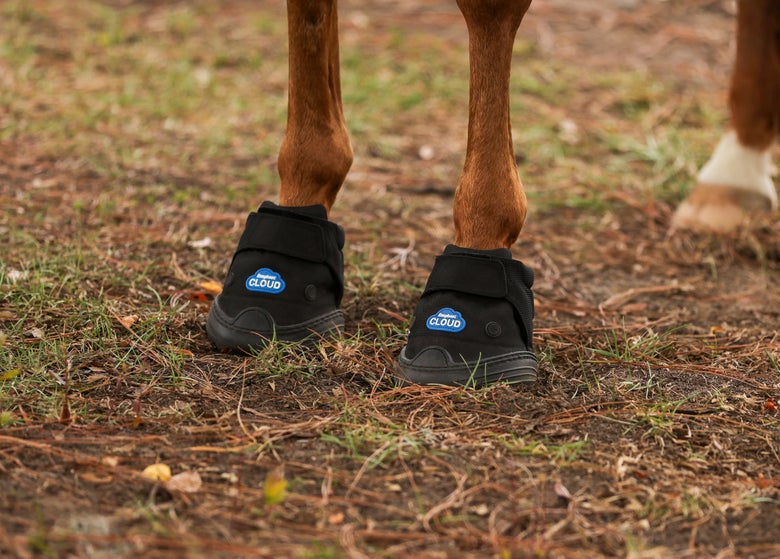
Many horses are shod or use performance riding hoof boots for support during challenging rides. For the barefoot competition horse, a rider might choose to elevate their horse's heels after the ride with therapeutic hoof boots, which improve blood circulation and take pressure off of the tendons.
If your horse pulls a shoe, gets bruised, or becomes lame, a therapeutic hoof boot is also an ideal spare tire to have in your trailer tool kit. If you are unsure how to size for hoof boots, check out our guide on How to Choose Horse Hoof Boots.
EasyCare Cloud Hoof Boots are a must-have for older horses or long trailer rides! They are designed with a soft foam pad and supportive rubber bottom to create an "air ride" feel for your horse. I love these because they absorb the shock from rough highways to keep my horses comfortable. They also come in handy when the horses are tied on pavement or stuck in an indoor facility on concrete.
Packing your horse's feet for the night after competition or strenuous exercise can also be helpful in pulling out any heat, swelling, or soreness caused by bad ground or long trailer rides. Krista Williams likes the Pack-N-Stick Packing Tape from EquiFit for its ease of application and removal.
Watch the video below or read the How to Soak, Wrap, and Bandage a Hoof Guide for more information!
Yes! A horse with a shorter, clipped coat is more efficient at cooling themselves down in warm weather or after intense activity. Clipping reduces sweating, which allows the horse to regulate their body temperature by better dissipating sweat. Many riders choose to give their horse a trace clip to increase the speed at which the horse cools down and dries after exercise without sacrificing the horse's natural thermoregulation. For more information on body clipping, the different kinds of clips, and how to body clip, check out our Complete Guide to Body Clipping Horses.
You will find a lot of opinions on how long a horse needs to rest and recover after a ride, as the amount of time is dependent upon a variety of factors. How strenuous was the ride? Is your horse expressing signs of discomfort? You should regularly palpate your horse's legs to familiarize yourself with what is normal pre- and post-ride. If you feel any heat, swelling, or tenderness, treat your horse accordingly and give them more rest time. Some competition horses bounce back quicker than others, so closely monitor your horse to learn what they can and cannot tolerate.
I look at their legs and feel them with my hands before and after each ride, all the time, every day! I'm a big believer in being hands-on. You become pretty hypersensitive to your horse that way, so you notice things before they escalate into something worse.
No! Sweat wraps are not intended to be used immediately after exercise because they increase heat and circulation to a problem area. After a ride, a horse's tendons and ligaments are slightly swollen, tender, and warm. Increasing heat to the legs with a sweat wrap when they're already too warm from exercise can really damage your horse's delicate tendons and ligaments! If there is an issue (like a sprain) that you're trying to bring more blood circulation to in order to reduce swelling, do not do so with a sweat wrap directly after your ride. First start with cold therapy methods like hosing to reduce inflammation and tissue damage. Then, reevaluate and consult with a veterinarian to determine whether your horse needs a sweat wrap treatment.
Our horses work hard for us, so we want to do everything we can to keep them sound, happy, and healthy. From everyday training to care on the road or after competition, we hope that you've found something you can add to your own routine. Treating your horse for preventative measures rather than as a means of rehabilitation will give you more peace of mind while competing. If you have any questions, please reach out to our customer service team at 1-800-620-9145 or info@ridingwarehouse.com for assistance. Happy riding!