Beat the Heat: An Expert Guide on Horse Care for the Summer
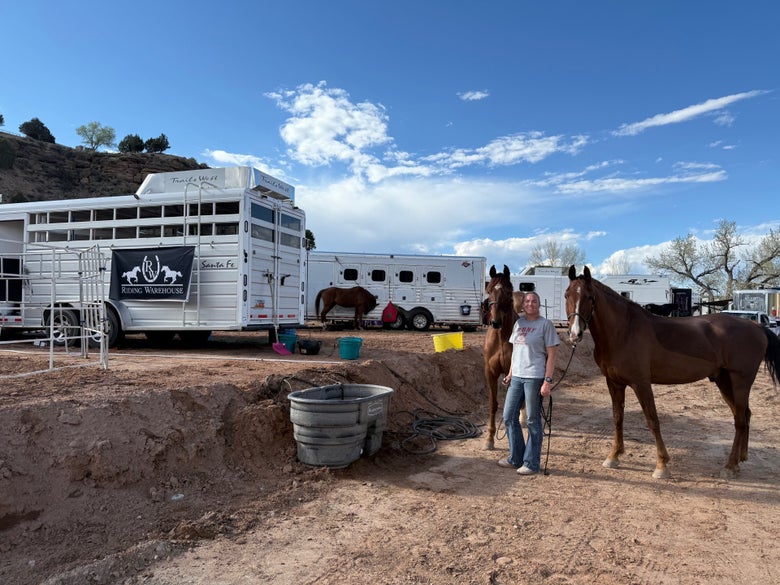
Summer is just around the corner! For many of us, that means more sunshine, warmer days, and extra time spent with our equine companions. While we can often escape the heat and cool down in the comfort of air conditioning, our horses do not have that luxury. As their caregivers, it is our responsibility to help keep them healthy, comfortable, and safe throughout the hottest months of the year.
Horses are particularly sensitive to heat, and extreme temperatures and prolonged sun exposure can pose serious health risks, especially for those that are not acclimated to hot weather. Later in this guide, we'll cover the signs of heat stress so you can recognize the symptoms and take action if your horse begins to show signs of overheating.
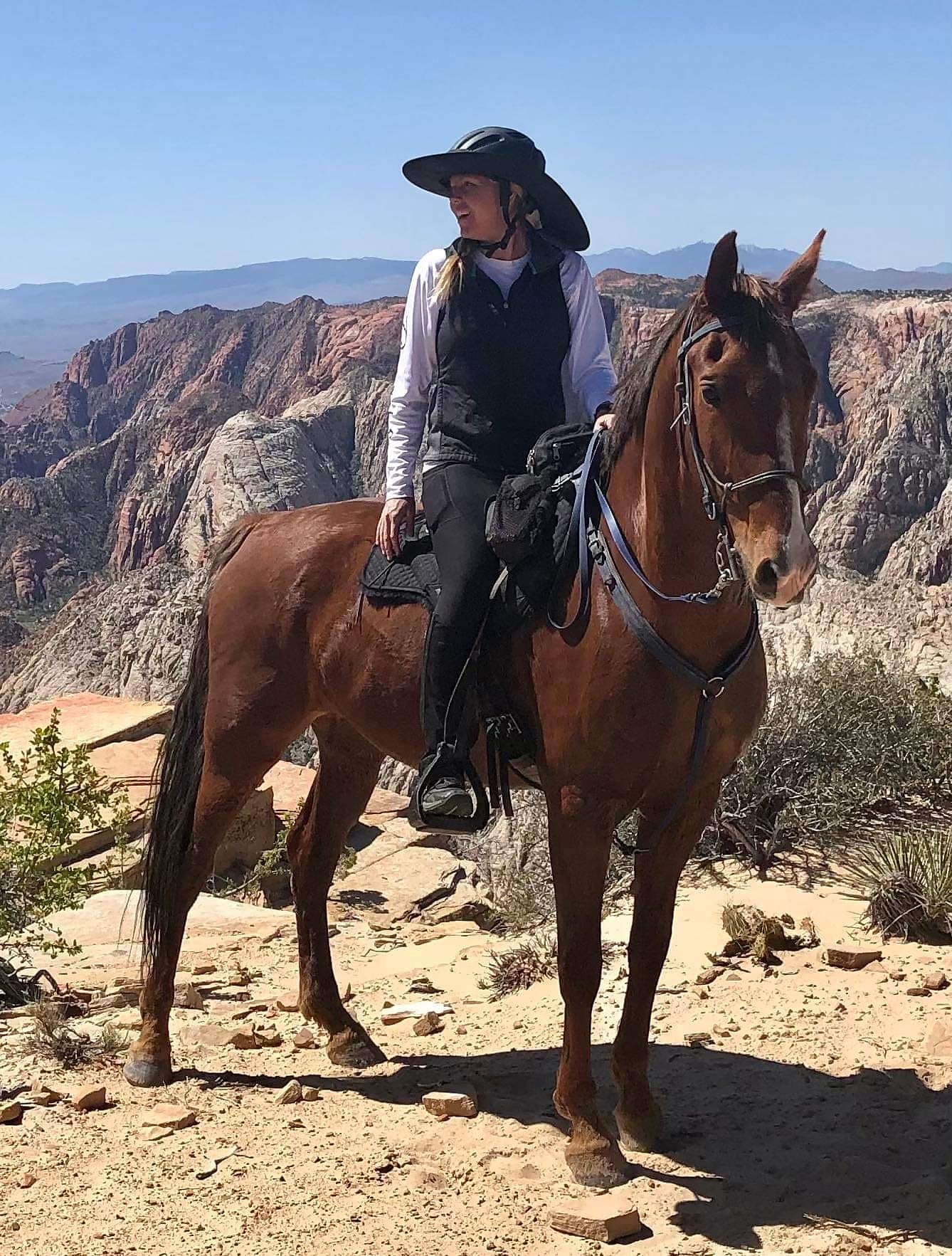
We've also teamed up with RW-sponsored rider Natalie Law, an experienced endurance rider from Utah, to share her expert insight on riding and caring for horses in hot climates. Read on for practical tips and helpful strategies to keep both you and your horse cool, comfortable, and ready to enjoy summer riding.
Horse Hydration During the Summer
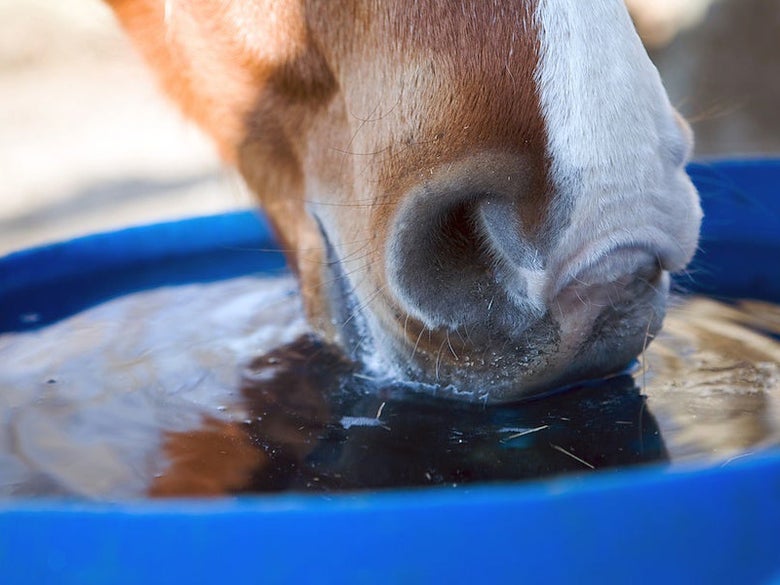
For maintenance, the average horse needs at least 5 gallons of fresh water per day. This amount can easily double or even triple when horses are working in hot weather, making proper hydration essential throughout the summer months.
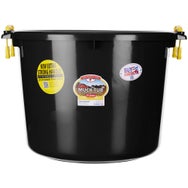
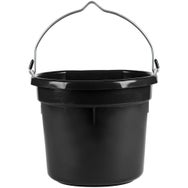
Whenever possible, provide multiple water sources and refill buckets or troughs with fresh water at least once daily.
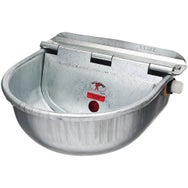
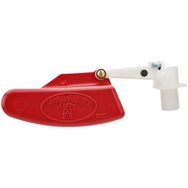
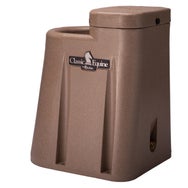
Large containers of stagnant water, such as troughs and oversized buckets, can encourage the growth of algae and bacteria, especially during warm weather. Horses are no more inclined to drink dirty water than we are, so regularly cleaning troughs and buckets and providing fresh water will help encourage healthy drinking habits. If possible, keep water sources in shaded areas, use insulated pipes, or consider installing an automatic waterer. Cooler water is often more appealing to horses and may help increase water consumption.
Pro Tip from Natalie:
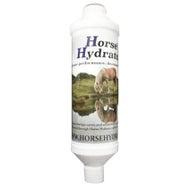
As they say, you can lead a horse to water, but you can't make them drink! Apart from water itself, electrolyte pastes and electrolytes in water or feed are effective methods of quickly hydrating your horse. Always offer your horse clean water alongside any electrolyte program you choose to use.
On particularly hot days, you may want to offer your horse a drink during your ride. Have a bucket of fresh water ready by the arena, or choose trail routes that provide access to reliable water sources.
While we often focus on keeping our horses hydrated, it's important not to overlook our own hydration needs. Keep cool water within reach while riding with a water bottle holder, and sip regularly throughout the day from your favorite reusable water bottle.
Feeding Salt & Electrolytes During the Summer
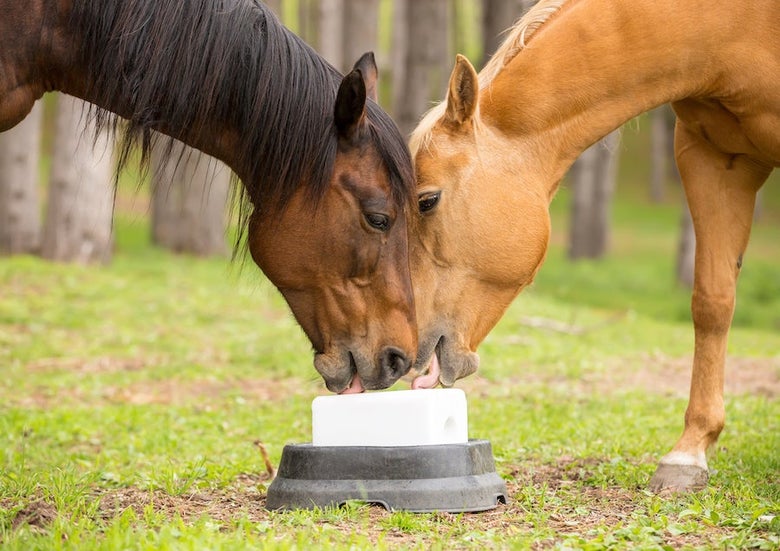
Feeding Salt
Horses naturally sweat to cool themselves in warm weather; however, sweating also causes them to lose important minerals, including salt. Replacing these lost electrolytes is essential for maintaining normal bodily functions and overall health.
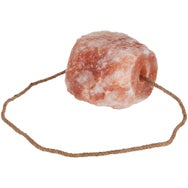
For maintenance, add 1ounce (2 tablespoons) of a salt supplement to your horse's daily diet during warm weather. In hot, humid conditions, this amount can be doubled. You can also provide a salt lick or salt block in your horse's stall or paddock, allowing them to consume additional salt as needed.
Pro Tip from Natalie
Using salt to help increase hydration pre-ride is probably my best tool. I salt my horses' feed mash, and I eat salty foods, too!
Feeding Electrolytes
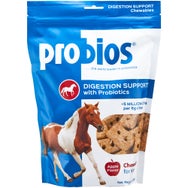
In hot weather or after intense exercise, your horse may benefit from supplemental electrolytes to replace minerals lost through sweat, particularly sodium, chloride, potassium, and magnesium. Electrolytes can also encourage water consumption, and some formulas can be mixed with water to improve palatability.
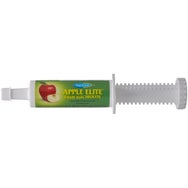
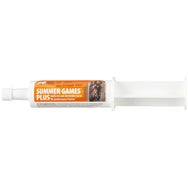
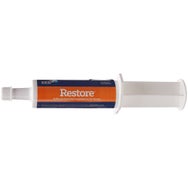
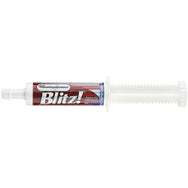
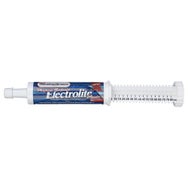
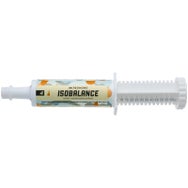
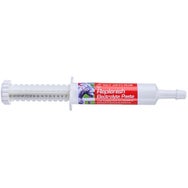
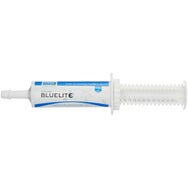
Horse electrolytes are available in three forms: powders, pellets, and pastes. Powders and pellets typically contain the same ingredients but differ in texture, and some horses may prefer one form over the other. It may take a bit of trial and error to determine which option your horse prefers. Electrolyte pastes are concentrated and fast-acting, making them a convenient choice after strenuous exercise or other demanding activities.
As mentioned in the previous section, always provide access to fresh water when offering electrolytes in your horse's feed, as the salts they contain will increase thirst. If electrolytes are mixed into drinking water, be sure to provide a separate source of fresh water as well. For more information, check out our equine electrolyte guide!
Pro Tip from Natalie
I'm a huge advocate of electrolytes for both horse and human. I not only use them during competition, but I also take electrolyte tablets daily during the summer.
As for my horses, they require different kinds. Some horses might perform well with electrolytes you mix in their mash, while others might require higher levels and need them to be syringed. One of my horses uses Endura-Max while another uses a combo of CMPK and salt. Every horse requires different doses and kinds of electrolytes, so I encourage you to study and practice using them.
Fly Protection Methods for Summer
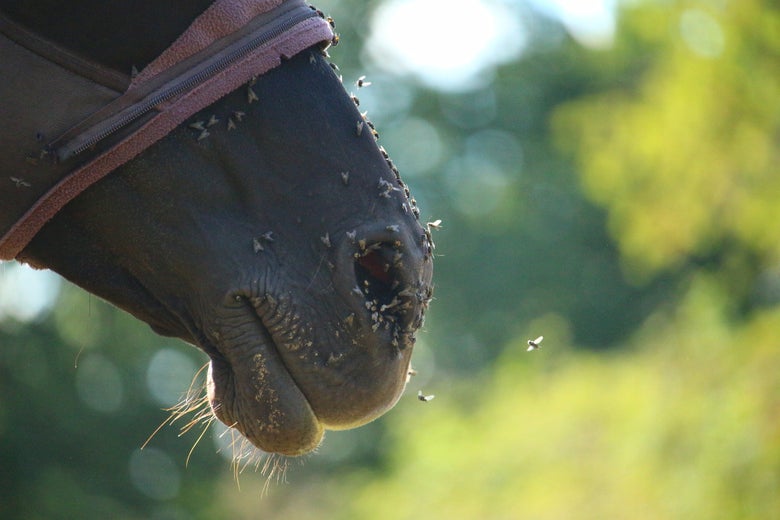
Depending on your environment and where your horse is kept, summer heat can lead to an increase in pests such as mosquitoes and flies. Because mosquitoes lay their eggs in standing water, reducing stagnant water around barns and paddocks can help limit their breeding. If standing water cannot be eliminated, such as in troughs or buckets, be sure to clean and refresh them regularly.
To help keep flies from bothering your horse, maintain a clean stall or pasture and consider using physical barriers such as a fly mask, fly sheet, or fly boots. For additional protection before riding, apply fly spray to help keep your horse comfortable and focused. For more tips, check out our guide to fly control for the barn, stable, and pasture.
Need help choosing the right fly gear for your horse? Check out our picks for the best fly masks, fly sheets, and fly sprays of the year!
Summer Coat Maintenance & Grooming
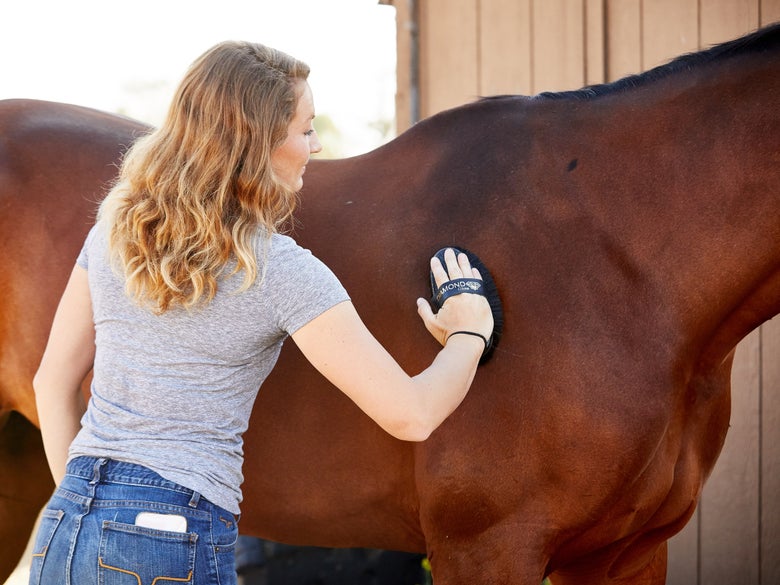
Some horses may begin growing their winter coats early or hold onto them later than expected, leaving them with a heavy coat during warm weather. Others may have conditions such as Cushing's disease that result in excessive hair growth or delayed shedding.
Regardless of the cause, clipping a coat that is out of sync with the weather can help keep your horse more comfortable during exercise and daily turnout. If you are considering clipping your horse for the summer, be sure to read our comprehensive guide to body clipping.
Regular grooming and bathing throughout the summer can also help maintain a cleaner, healthier coat. For more information, check out our grooming supply guide and bathing supply guide.
Pro Tip from Natalie:
Anything from a trace clip to a full-body clip will significantly help your horse cool on a ride. Of course, this also means you need to be prepared to blanket at night. Even in the middle of the summer when my horses seemed slick, I was amazed by how much excess hair they had when I fully body clipped them for Tevis. So don't be afraid to clip their hair! It grows back, I promise.
Scheduling Summer Turnout
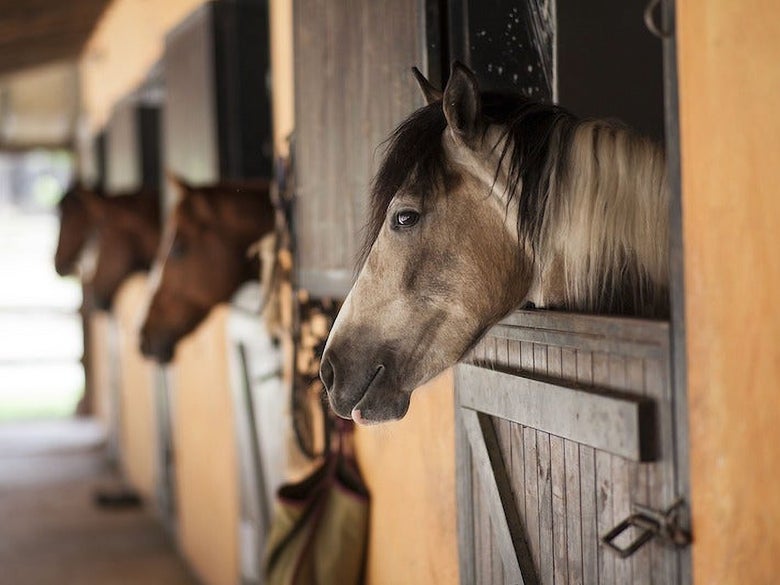
During the summer months, we recommend developing a turnout schedule for each horse to minimize exposure during the hottest part of the day. Be sure to consider any health conditions or individual challenges your horse may have, as some horses are more sensitive to heat than others.
In general, turnout is best scheduled during the late evening, overnight, or early morning hours when temperatures are at their coolest. Depending on your location, the hottest part of the day typically occurs between 2:00 p.m. and 4:00 p.m. Check your local forecast and plan to bring horses in well before peak temperatures each day.
If your horse lives in a pasture, providing access to shade can significantly improve their comfort and well-being during the summer. Whether it's a man-made shelter or a stand of trees, shaded areas can be up to 10 degrees cooler than those in direct sunlight.
Horses with pink skin or light-colored coats are particularly susceptible to sunburn. Apply sunscreen to vulnerable areas such as pink noses, white markings, and other exposed skin. Products like Healthy HairCare Sunflower Suncoat SPF Horse Sunscreen and Absorbine Santa Fe Coat Conditioner & Sunscreen Spray can also help protect against sunburn while also reducing coat bleaching.
Horseback Riding in the Heat
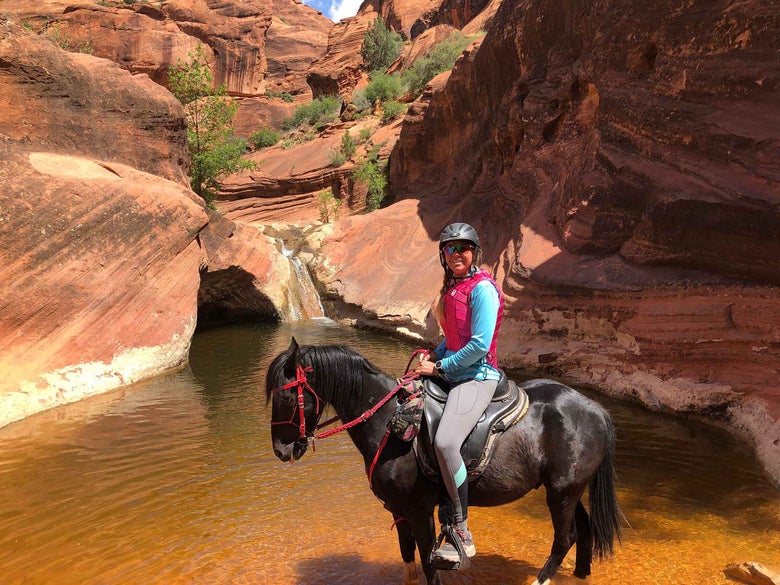
Similar to scheduling summer turnout, consider shifting your ride times to the coolest parts of the day, typically early morning or late evening. Temperatures begin rising shortly after sunrise, so planning rides early or later in the day can help reduce heat stress for both you and your horse. Keep an eye on your local forecast and adjust your schedule as needed. If changing your ride time is not possible, consider reducing the intensity or duration of your workout.
Some days may simply be too hot for strenuous exercise. In these conditions, opt for a light hack on a loose rein and follow up with a cooling rinse or bath. Exercising in extreme heat can increase the risk of dehydration, heat stress, and other serious health concerns. Monitor your horse closely for signs of fatigue, excessive sweating, or distress.
Cooling Your Horse Down in the Heat
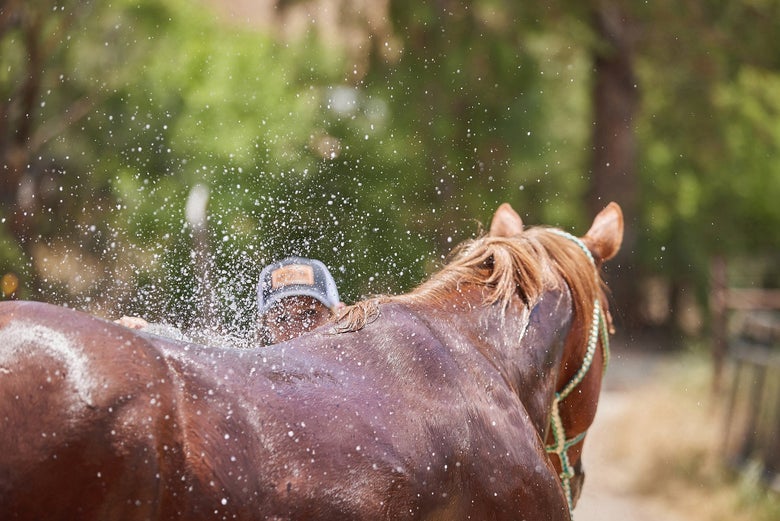
Properly cooling your horse down after exercise is important for recovery and overall comfort. After your ride or workout, follow these steps to help your horse return to a normal body temperature:
- Remove all tack, including any protective boots.
- Hose or sponge your horse with cool water to remove sweat and dirt.
- Use a sweat scraper to remove excess water. Water left standing on the coat can trap heat and slow the cooling process.
- If your horse is still breathing heavily or remains warm to the touch, repeat the hosing and scraping process as needed.
- Offer access to cool, fresh water and monitor your horse's water intake as they recover. Avoid offering cold water, as it may upset some horses' stomachs.
You can also incorporate a cooling liniment into your post-workout routine, such as Absorbine CoolDown Herbal Rinse After Workout Liniment. In addition to its refreshing properties, it helps clean and condition the coat. For easy application, mix the liniment with water in a spray bottle and apply it after rinsing your horse.
You can further support your horse's recovery by using a fan to keep air circulating as they cool down. A stall-mounted fan can make a significant difference by helping water and sweat evaporate more efficiently, which aids the body's natural cooling process.
Pro Tip from Natalie:
Like our horses, our human bodies produce sweat to create a cooling effect. It helps significantly when we can aid our bodies by adding additional water. At hot endurance rides, people will always see me soaking my horse (conserving water when asked, of course) and soaking my arms and head in the water tanks. If you can help your horse stay cooler throughout the day, they will better maintain their hydration and be able to pulse down quicker.
Cooling Horse Treats
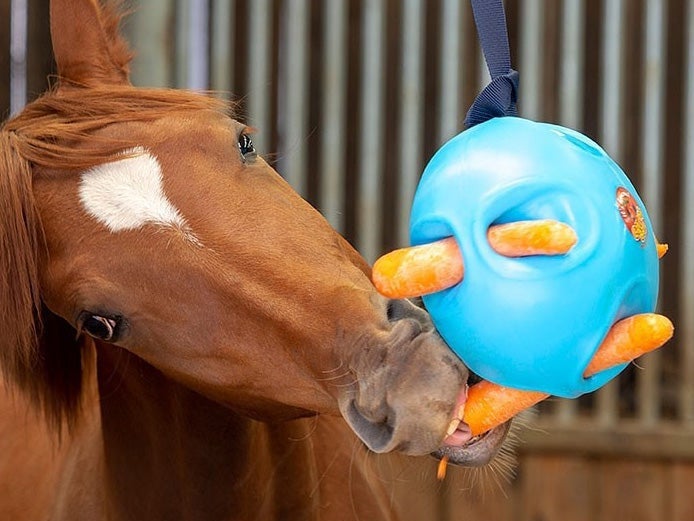
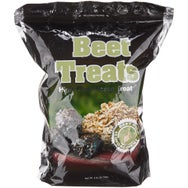
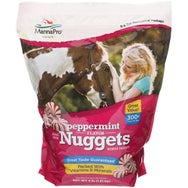
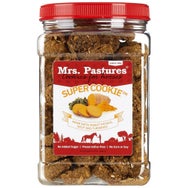
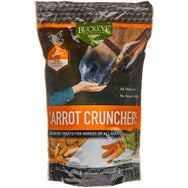
For a refreshing treat, cut up some fruits or veggies (or your horse's favorite snack) and place them in water in the freezer overnight. Voila! You've made horse-friendly popsicles. Just drop the frozen block into your horse's feed bucket to keep them cool and occupied on a long, hot day.
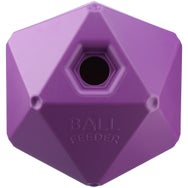
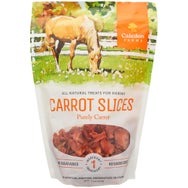
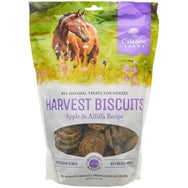
Similarly, you can put carrots or apples in the fridge or freezer, then wedge them into a toy dispenser for hours of chilled entertainment.
Special Health Considerations
Heat Stroke and Heat Stress Signs in Horses
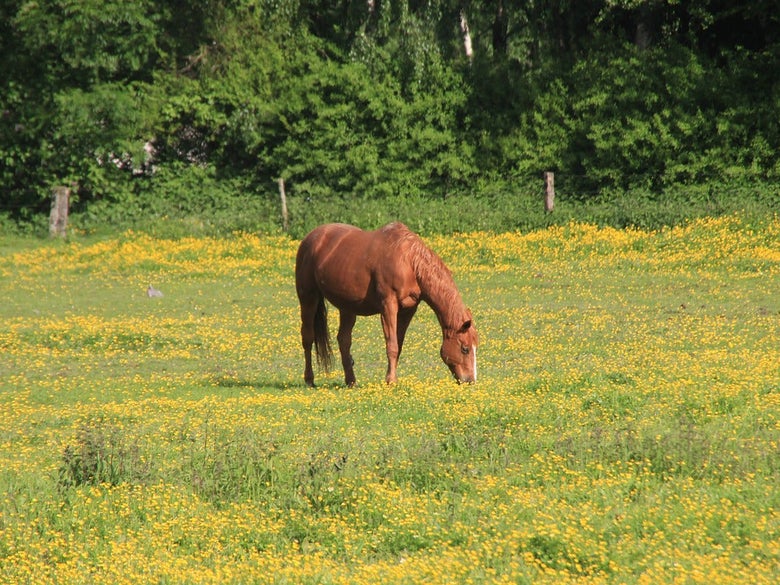
Heat stroke and heat stress can be fatal to horses. Symptoms to watch for include:
- Elevated breathing rate (Normal at rest: 10 to 24 breaths per minute)
- Elevated pulse or heart rate (Normal: 28 to 44 beats per minute)
- Irregular heartbeat
- Profuse sweating or a sudden lack of sweat
- High body temperature (Normal: 99 to 101 degrees Fahrenheit)
- Depression, lethargy, or weakness
- Signs of dehydration (Dry mucous membranes or skin that lacks elasticity when pinched)
If you suspect heat stroke, call your vet immediately. While waiting for them to arrive, move your horse to the coolest, shadiest area possible. If safe and available, submerge them in a cool body of water, like a pond or creek. Continuously hose or sponge the horse down with cool water, focusing on the large blood vessels on the neck, chest, and inside the hind legs, and set up a fan if possible.
Anhidrosis in Horses
Anhidrosis is a condition where a horse loses the ability to sweat normally. Management strategies for "non-sweaters" focus on keeping them cool through environmental control: providing shade, switching to night turnout, installing stall fans, regularly hosing or misting the horse, and body-clipping to help them regulate their core temperature.
Beyond environmental management, diet can play a huge role. Some horses respond well to simple electrolyte supplementation to promote thermoregulation, while others may require an anhidrosis-specific supplement formulated to encourage normal sweating.
Bonus: Protect Yourself from the Sun!
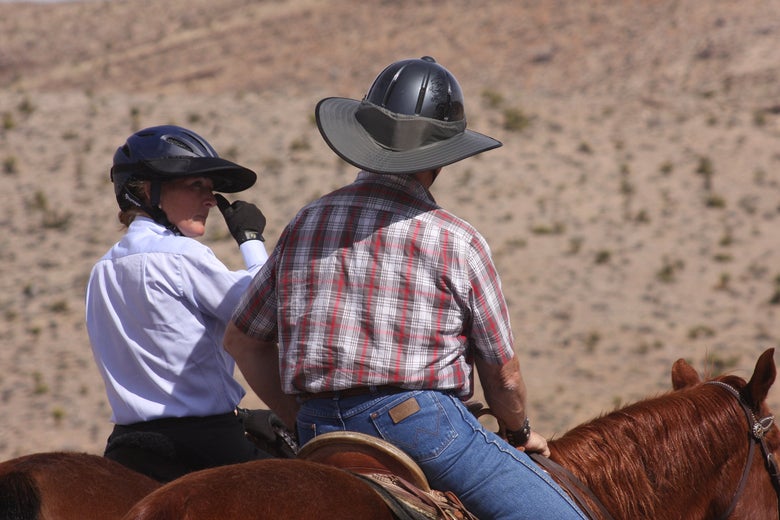
While it's vital to prioritize your horse during the summer, don't ignore your own comfort and safety! The right gear can help you beat the heat while spending time with your equine pal.
UV-protective apparel is a must-have for the summer months. Look for breathable materials with high UPF ratings to keep you cool while shielding your skin from harmful rays. To see our top picks, check out our guides to the best sun shirts and summer gloves. If you do leave any skin exposed to the elements, remember to apply and reapply sunscreen throughout the day, especially if you've been sweating.
Finally, consider adding a sun visor to your helmet to block out the glare. Not sure where to start? Check out our guide on how to pick a helmet visor to find your perfect match!
Pro Tip from Natalie:
I grew up in Florida; I love the heat, but I've learned that not everyone handles it well. Often times people want to reduce the amount of clothing they wear to stay cooler, but that won't necessarily keep you comfortable. I almost exclusively wear UV long-sleeve sun shirts in the summer. First, they protect my skin from sun damage and burns. Second, they truly can keep you cooler, especially as you add water to them.
Closing Thoughts
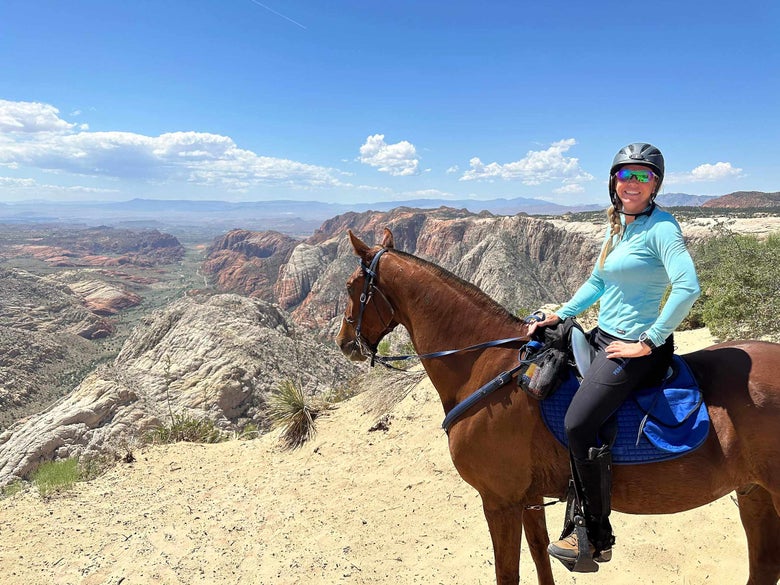
Summer is a fantastic time to get out and enjoy some time with your horse! However, hot weather often requires a few adjustments to your horse care and riding routine, such as altering turnout schedules or adding seasonal supplements. With a little planning and these great tips from sponsored rider Natalie Law, you can enjoy the sunny season while keeping both you and your horse happy, comfortable, and cool.
If you have any questions, feel free to reach out to our friendly customer service team at 1-800-620-9145 or info@ridingwarehouse.com for assistance.
About the Authors