Winter Horse Care and Grooming Tips
The wintertime brings about all sorts of inclement weather with it, from heavy rain to mud to snow—and everything else in between! Maintaining the health of your horse during this change of season can be challenging, especially if you are tackling a harsh winter with your horse for the first time.
For some additional insight on surviving winter woes, we partnered with RW-sponsored rider Renae Cowley for her expert tips on how to make it through the frigid months. Having lived in Utah for quite some time, she has learned plenty of tricks along the way. Keep reading to learn about how to best care for your equine during winter, from supplementation to blanketing and more!
Winter Hydration

As the seasons change, both horses and humans may adjust their daily drinking habits. This can even include a reduction in water intake. With lower temperatures, the need to drink to stay cool and hydrated in the heat isn't quite as pressing. However, proper hydration is a year-round necessity. For equines, aside from providing the body with the resources it needs to function, water intake is also crucial for preventing problems such as colic.
Getting your horse to drink isn't as simple as leading them to their water. The winter season can make accessing water tougher, as plunging temperatures can cause troughs to freeze over. Horses may also be averse to drinking ice-cold water, so finding ways to help prevent your horse's water from turning into an ice rink is important! Aside from adding a heating source to troughs to keep them from freezing over, it can be beneficial to occasionally add warm water to troughs or water buckets to raise the overall temperature. Even offering your horse a bucket of lukewarm water after exercise can encourage hydration.
Given the importance of ensuring your horse stays hydrated through the winter, salt licks and electrolytes can be especially useful. Not only do salt licks and electrolytes encourage your horse to drink, but they're essential for ensuring proper cellular function as well. Learn more about their importance in our Scoop on Equine Electrolytes article!
Pro Tip From Renae:
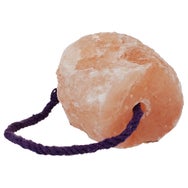
Clean, fresh water is critical year-round, not just in summer months. Salt and mineral blocks are also important to aid in proper cellular function. I like these Horsemen's Pride Jolly Pet Himalayan Salt Licks that can be tied to a fence or stall.
Winter Horse Blankets
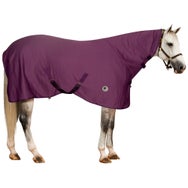
To blanket or not to blanket? It's a question many horse owners face throughout the winter season. The answer to this question also relies on a variety of factors and can vary depending on the individual horse, their environment, and more. If you are new to this topic, we encourage you to read our How to Choose a Winter Horse Blanket article, which covers each blanketing factor. Or, if you're an experienced equestrian and not sure which blanket is best for your situation, check out our Best Winter Horse Blankets of the year!
Pro Tip From Renae:
My recommendation is to follow your heart, monitor your horse's condition closely, and use your best judgment for your individual horse's needs. If they are shivering, they DEFINITELY need a blanket. If you blanket them only when needed, consider setting up a target temp that you know they should have a blanket and watch the weather forecast.
Another helpful piece of equine clothing to have on hand for the winter is a sweat-wicking cooler. Designed to pull moisture away from the skin and hair, these sheets are extremely helpful in drying sweaty coats. Either place the cooler on your horse after a ride while they cool off in the cross-ties, or hand walk them around if they are still warm after work. It is important not to put a turnout or stable blanket on your horse until they are completely dry and cool. Similar to you putting on a jacket over sweaty workout clothes, your horse will not be able to completely dry and could potentially catch a chill from the leftover moisture. To learn more about coolers, please see our How to Choose guide in the section above.
Winter Grooming
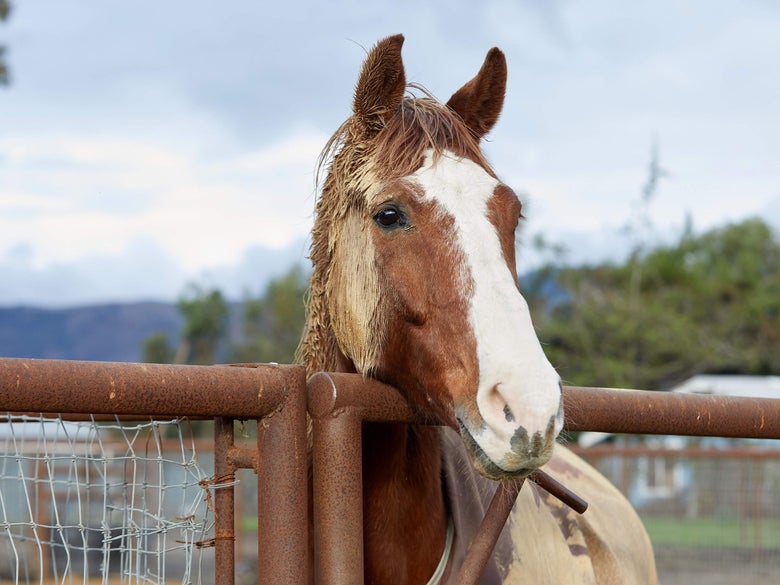
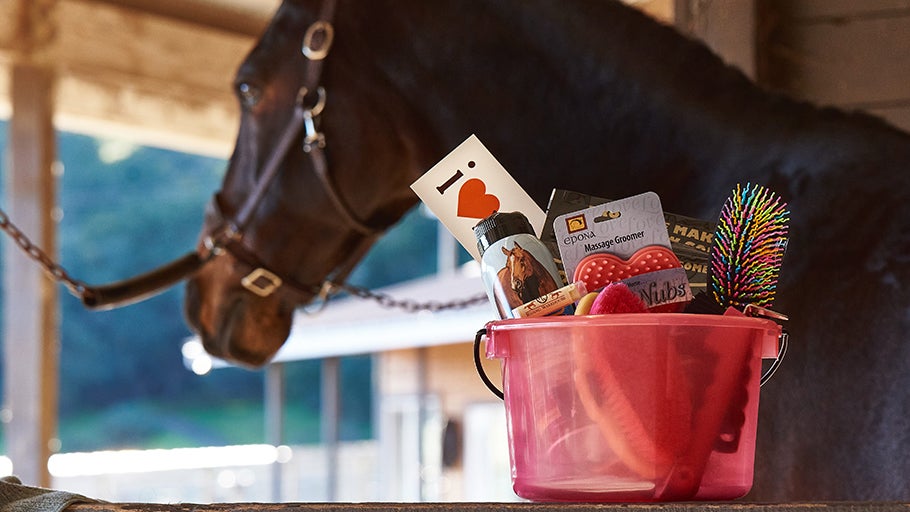
Preparing for the winter season begins with having the right tools and supplies, as your favorite grooming items in the summer may not serve you well during the winter. It's a good idea to have some seasonal supplies to help keep your horse comfortable and make your grooming session easier. Your area's winter weather plays a big factor in what items you need in your grooming kit. Below, we've highlighted different products for those unique conditions to aid in your winter grooming supply shopping.
Moisture Management
Precipitation is the biggest challenge for most during the winter months. Whether your area is prone to rain, sleet, snow, or ice, there are grooming practices you can use to prevent rain rot and other skin ailments. Horses that are turned out in active precipitation are at a higher risk for skin fungus and other inflammatory infections. These are most common on the neck, back, face, and legs.
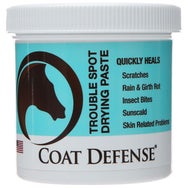
Blanketing can help to avoid some exposure, but the blanket must be waterproof. If you do not have a waterproof blanket, going without a blanket and allowing the skin to breathe is the safer option. Even if you do blanket, make sure your horse is dry on the spots where the blanket doesn't cover or where water can sneak in. Toweling off your horse when they come in and covering them in a cooler to wick water away can help keep skin clear. Removing any mud keeps bacteria out of pores and hair follicles. Applying products like Coat Defense to unprotected areas can help stop fungus and bacteria from growing.
Pro Tip From Renae:
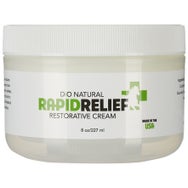
Keep a product such as Draw it Out Rapid Relief Equine Restorative Cream on hand for scratches.
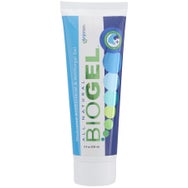

Select a Coat Spray
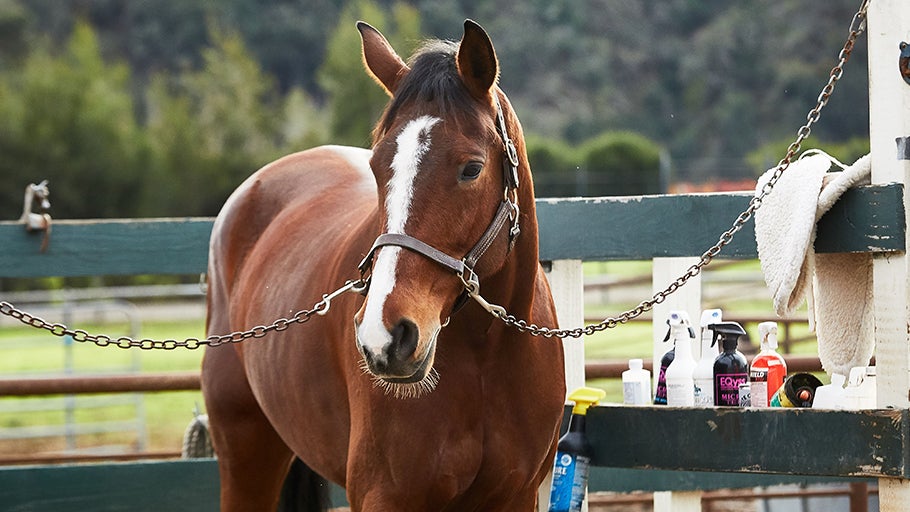
Cold temperatures can make bathing a horse impossible, so we have to use other methods to remove mud and dirt from our horses' coats. Coat sprays can help loosen up ground-in crud and refresh your horse's skin. It is usually best to attempt to curry their coat before applying the spray so you can get the product deeper into their coat, especially if they are unclipped. Coat sprays also help in dry areas or in situations where static electricity can be an issue. The static shock of a brush (particularly those with synthetic fibers) on dry hair can startle even the calmest horse and result in both horse and human injury. Applying a coat spray before brushing on dry, cold days can help eliminate the chances of a startling zap. Check out some of our favorite winter coat sprays below:
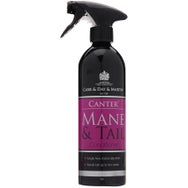
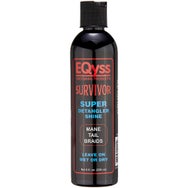
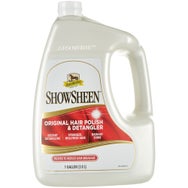
Body Clipping
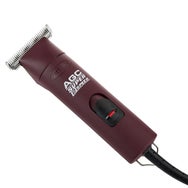
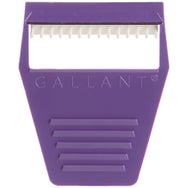
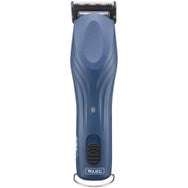
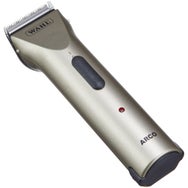
For the winter months, some horse owners choose to body clip their horses to help make the grooming process more manageable. Body clipping can help keep your horse comfortable during (and after) exercise. Thick hair will cause them to sweat during riding sessions, which can make them cold post-ride. This can potentially cause respiratory issues and other illnesses. Clipping can also help avoid skin problems that arise from slower drying in the colder months. Body clipping does typically call for blanketing to keep your horse warm outside of riding. However, there are a variety of body clipping styles that don't require complete removal of hair if you're not competing over the winter. These clips can ensure your horse stays comfortable both during riding and the rest of the day! To learn more about body clipping, read our helpful How to Body Clip Guide.
Managing Hoof Health
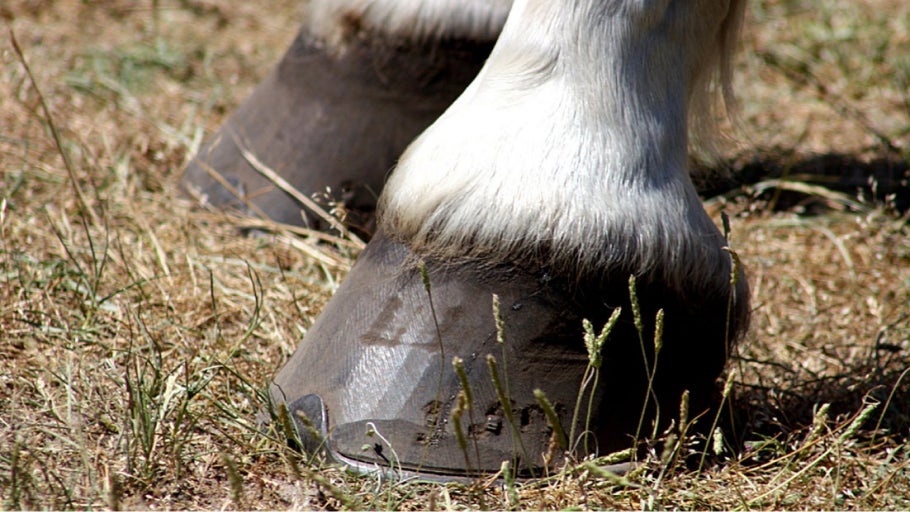
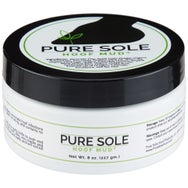
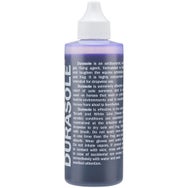
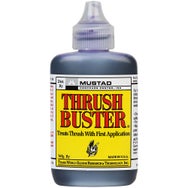
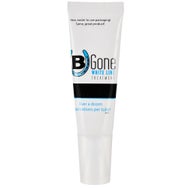
The condition of your horse's hooves during the winter months can make or break your horse's performance in the summer months. The hoof grows an average of ¼" per month, so the growth during the winter will be the hoof your horse is running on in the spring and summer. Having a regular maintenance schedule will help your horse feel their best all year long. The damp and dirty winter ground creates the perfect conditions for thrush to grow and infect your horse's frog. Even horses that have stall access can be prone to hoof infections. To prevent this nasty bacteria from infecting your equine, clean the hoof daily.
Pro Tip From Renae:
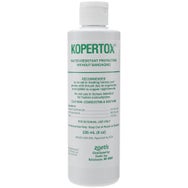
Pick out their hooves regularly, whether you are riding them or not. I apply Zoetis Kopertox Water-Resistant Thrush Hoof Treatment once or twice a week to avoid thrush.
For horses turned out in the snow or ice, the "snowball effect" can put shod horses at higher risk for injury. Snow can build up inside the foot, causing issues with balance and navigating across the ground. This buildup can also cause stress on delicate tendons and ligaments and increase the horse's risk of falling. Letting a horse go barefoot for the season is the most simple solution. However, this is not a viable option for many horses. Your farrier can add anti-snowball pads to your horse's shoes or you can apply Vaseline or thick Crisco to their soles (never use WD-40, motor oil, or similar products). Hoof boots that are designed to be worn over shoes are another alternative for protecting against snow buildup.
For more winter hoof health tips and tricks, read our Winter Hoof Health Guide.
Consider a Tail Bag
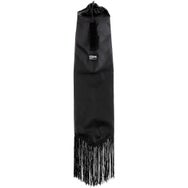
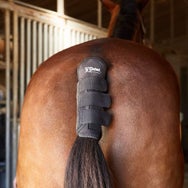
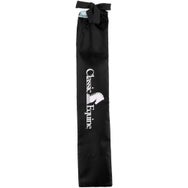
A tail bag can help save you time and energy in the long run. During the winter months, the ground is damp, cold, and full of hard-to-remove mud. Using a tail bag on your horse protects the tail from dirt and debris, as well as tangles and knots. With the flies being gone for the season, you won't have to worry too much about the horse being able to fend off pests. A tail bag protecting your horse's tail can even promote healthy hair growth with more manageable hair.
The tail bag you select will play a key role in the grooming process. For example, a Lycra tail bag that ties into the tail is the most commonly used style. A bag with Velcro straps or an elastic top may be quicker to use; however, it can pull more hairs out. The tail bag itself should only be as long as needed. If a tail bag is longer than the tail, you risk the bag dragging and being pulled off.

Grooming Tools to Manage Mud
The aftermath of wet weather is muddy pastures and muddy horses. Looking at your horse and deciding where to start can be overwhelming for some, especially if you have a puddle-loving beast. Removing the mud can be a pain, but it can be done in multiple ways. Of course, a warm bath is the simplest method, but some places are simply too cold to do so without causing harm. We suggest trying some different strategies and sticking with the one you like best. Shedding blades, hard metal curry combs, waterless shampoo, and hot toweling can all help remove that nasty mud. Here are our favorite tips and tricks for managing mud:
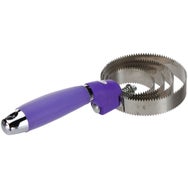
- Shedding Blades - These remove loose hair and dried surface dirt from the winter coat. It can pull hair if used on wet mud, but it's a great tool for dried and caked coats.
- Metal Curry Combs - These combs function similarly to the shedding blade, but their layered design can break up dried mud with greater comfort for your horse during the process.
- Rubber Curry Combs - Rubber curries can work great to remove dried-on crud. Larger teeth can help break up large spots, while smaller teeth will remove stubborn flakes that can be hard to get rid of.
- Waterless Shampoo - These shampoo sprays are perfect for spot cleaning or helping to break up stubborn areas before using a metal or rubber curry comb.
- Hot Toweling - Soaking a hot towel in warm water with a dash of oil or waterless shampoo can help remove mud that feels impossible from long, winter coats. This method is best after the above tools have failed. You will want to wring out the towel well and use it like you would a curry comb. Follow up quickly with a dry towel to remove as much water as possible from the coat, and have a cooler handy to throw on after you're done to avoid them catching a chill.
Other Winter Considerations

Shelter
Ensuring that your horse has adequate shelter from the elements is another important part in helping your horse thrive through the winter. Even for horses who aren't stabled in the barn or who don't wear a blanket, it's strongly recommended to provide them with a sturdy, covered structure for some protection.
Horse's Age
Special considerations may need to be taken into account for young or old horses. In certain conditions in which you may have one protocol for other equines, it's always a good idea to take a moment to determine whether that will be best for babies or the geriatric horse. For example, if your typical routine would be to blanket only at a certain lower temperature, consider whether a harder-keeping older horse might benefit from some extra coziness and warmth, even if the rest of their friends don't need it!
Winter Rest
Many equestrians also use the winter season as a time to give their horses a break or a refresh. With shorter days and typically fewer competitions, the season can be a wonderful chance to give your horse some well-deserved time off. For those horses who thrive off of more consistent activity, winter can also be a great chance to do something different with them and switch up their usual exercise routine.
Closing Thoughts
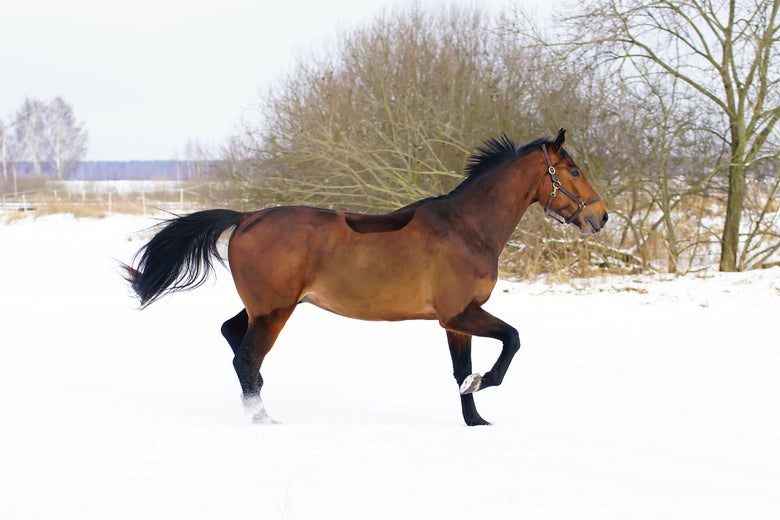
Winter can be a challenging season to navigate no matter what type of weather you're up against. We hope these tips for caring for your horse through the colder months have given you some new tricks to make the season as enjoyable as possible. We would like to give our thanks to Renae for her helpful insight! Should you have any questions, please feel free to reach out to our friendly customer service team at 1-800-620-9145 or info@ridingwarehouse.com. Let's close with some of Renae's finishing thoughts: