Equestrian Glossary: Rider Apparel & Footwear
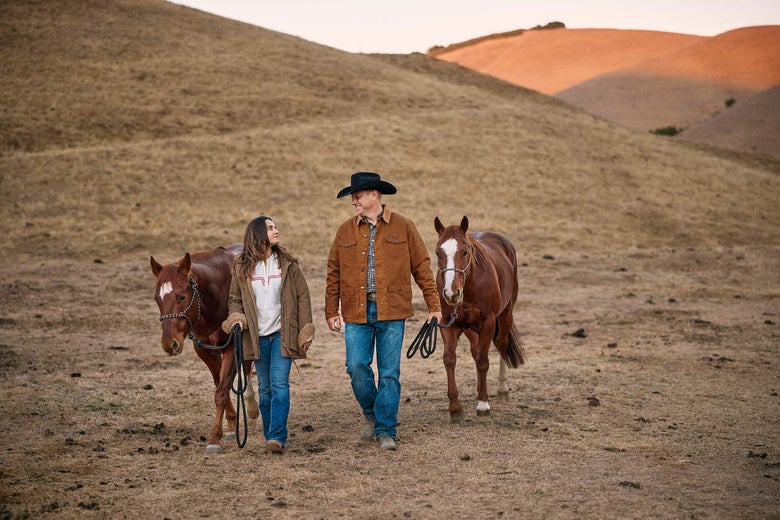
There's something exciting about getting outfitted for the barn, whether you're heading to your first riding lesson or packing for horse camp. If you've ever found yourself wondering what a wild rag is or why some riding boots have laces while others don't, you're not alone. The world of equestrian apparel comes with its own unique vocabulary, and we're here to help make sense of it all.
In this guide, we'll break down the must-know terms for rider apparel and footwear so you can shop with confidence, dress the part, and feel prepared for the ranch, barn, or arena. From head to toe, we'll decode the equestrian wardrobe one stylish and functional piece at a time.
Riding Apparel
Base Layer - A lightweight, close-fitting top designed to help regulate your body temperature while riding. Made to wick away sweat and keep you dry, base layers are most commonly used under a heavier layer in the winter, but can also be worn on their own in the heat.
Bootcut Breeches - Riding pants designed with a slight flare at the bottom, allowing them to fit over paddock boots. A bootcut style offers a more casual, everyday look while still providing the stretch and grip needed in the saddle. They are especially popular among trail and endurance riders.
Breeches - A staple in every English rider's wardrobe, breeches are fitted pants designed specifically for horseback riding. They are made from stretch fabric and feature grips for security in the saddle. If you are looking to find your perfect pair, check out our guide on How to Choose the Best Pair of Breeches.
Denim Breeches - A stylish twist on traditional riding pants, denim breeches blend the look of your favorite jeans with the functionality of breeches. Made with stretch denim and riding-specific features like knee patches or full-seat grip, they have a casual look and work great for English schooling rides or hitting the trails.
Duster - A long, lightweight coat traditionally worn to protect clothing from dust and dirt while riding (hence the name). Originally designed for cowboys and ranch hands working in dusty conditions, modern dusters are still popular and commonly used during inclement weather while out working the ranch, during trail rides, and barn chores. Most feature waterproof material, easy snap closures, leg straps to stay put while riding, and a cape-like shoulder design to help shed rain and block wind.
English Show Shirt - A body-hugging shirt, typically worn under a show coat during English riding competitions like hunters, jumpers, and dressage classes. Show shirts are designed to give you a polished appearance in the ring while keeping you comfortable, often featuring breathable, moisture-wicking fabric and a crisp stand-up collar. They are available in short-sleeve, long-sleeve, or sleeveless designs. Each English discipline has its subtle differences in shirt requirements. If you need help dressing for your next show, you can learn How to Dress for a Hunter Jumper Show or What to Wear in the Dressage Arena in our Learning Center.
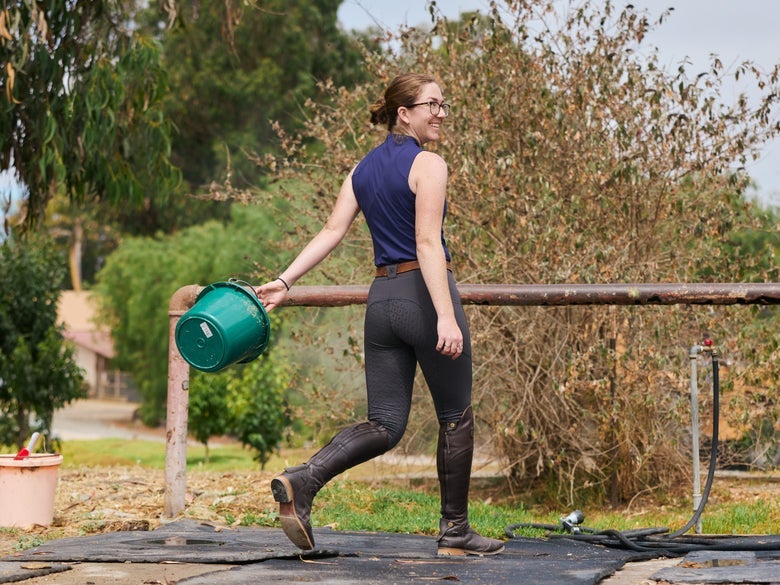
Full Seat Tights/Breeches - Full seat refers to a grippy panel on your English riding tights or breeches that runs from mid calf up through the seat area of your riding pants. Usually made of silicone or suede fabric, it is the most secure of the grip types and is commonly used by dressage riders, although any rider can use a full seat breech/tight while schooling.
Half Chaps - Half chaps are fitted leather or synthetic covers that go from just below the knee to the ankle, wrapping around the lower leg. They are worn with paddock boots and are fastened with a zipper or Velcro along the outside. The inside has a suede or textured panel to help you grip the saddle, making your lower leg feel more secure. They are popular for beginner riders, horse camp goers, and for everyday schooling because they protect your legs from rubbing on the stirrup leathers and give a similar look and function to tall boots, without the high cost.
Jodhpurs - Stretchy riding pants that come down to the ankle, have knee patch grips, and are made to be worn with short paddock boots. Traditionally worn in the hunter ring by riders under 13 years of age, paired with paddock boots and leather garter straps.
Knee Patch Tights/Breeches - Riding pants with a grippy patch (usually suede or silicone) on the inside of each knee. This patch gives you extra grip where your leg contacts the saddle. Unlike full seat breeches or tights, which have grip up through the seat and thighs, knee patch styles give you more freedom of movement. That is why they are especially popular with hunter-jumper riders who need to stay secure yet move freely when going over fences.
Overpants - Lightweight pants made of water-resistant material that you wear over your regular riding clothes to protect them from mud and rain, or as an added layer during cold weather. They are made to be easily pulled on and off and are perfect for staying clean and dry at the barn or during a show.
Pearl Snap - Smooth buttons that look like little pearls that "snap" closed, unlike regular buttons. They are found on Western-style shirts, adding to their style and giving them a classic look.
Polo - A short-sleeved, collared shirt usually with a few buttons. It is a popular choice among both English and Western riders who want a more polished look, often worn during lessons, clinics, or schooling shows where formal attire isn't required.
Quarter Zip - A riding top with a zipper that opens down to the chest. Great for layering. Zip it up for warmth, or down to cool off.
Riding Coat - Specifically designed outerwear for equestrians, providing warmth and element protection while still allowing mobility in the saddle and when working on the farm. Features often include a back vent or zipper to accommodate the saddle, functional pockets, and sometimes even leg straps to provide extra protection and prevent flapping during riding. Check out our top choices for the Best Coats for Men and for Women.
Riding Jeans - Similar to your everyday blue jeans but with specific features that benefit you when riding. Worn by Western riders, they are usually built with more stretch and reinforced seams that are usually flat to prevent chafing. Want help picking the perfect pair? Check out our complete Guide to Riding Jeans, including our roundup of the best jeans of the year, to see what styles made the cut.

Show Coat - A formal jacket worn by English riders in competitions. Typically worn in dressage, show jumping, or hunter classes, they are tailored to fit closely while allowing movement during your ride. Generally, they are designed with a crisp lapel, front buttons, and back vents. It is an essential piece of your riding wardrobe when you are ready to go out and compete! Let us help you through the process of finding your correct size show coat.
Stock Tie Loop - A small fabric loop sewn into the back of an English show shirt collar. It holds the stock tie in place so it does not fall or shift around while riding.
Summer Breeches/Tights - Lightweight riding breeches or tights that are designed to keep you cool and comfortable during the hotter months. Made from breathable, moisture-wicking fabrics with plenty of stretch, and sometimes featuring summer extras like mesh panels or cooling technology.
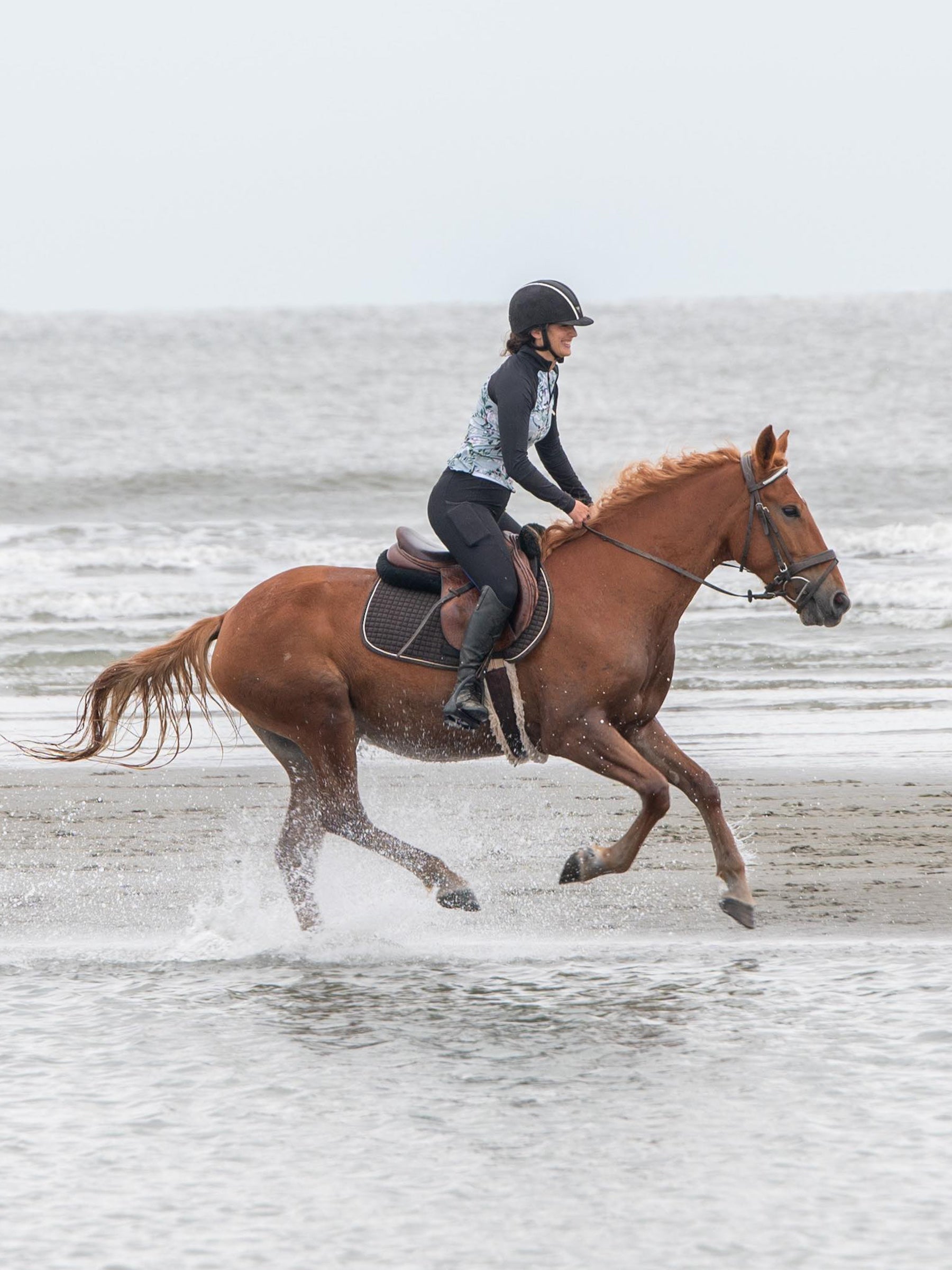
Sunshirt - A lightweight, fitted riding top designed to protect riders from the sun while keeping them cool. Made from breathable, moisture-wicking fabrics with UV protection, many feature mesh panels and quarter zips for extra ventilation. Most commonly worn by English and Endurance riders during schooling, it is also a great choice for riders across all disciplines to keep comfortable and protected during warm-weather riding. Looking for the Best Sunshirts of the Year? Check out our curated list!
Tights - A stretchy, pull-on style riding pant made from athletic, legging-like material. Riding tights are designed to be super comfortable, breathable, and stretchy, making them a great choice for riders of all ages to school, trail ride, or wear around the barn. They feature grippy full seats or knee patches and may include handy touches like phone pockets and belt loops.
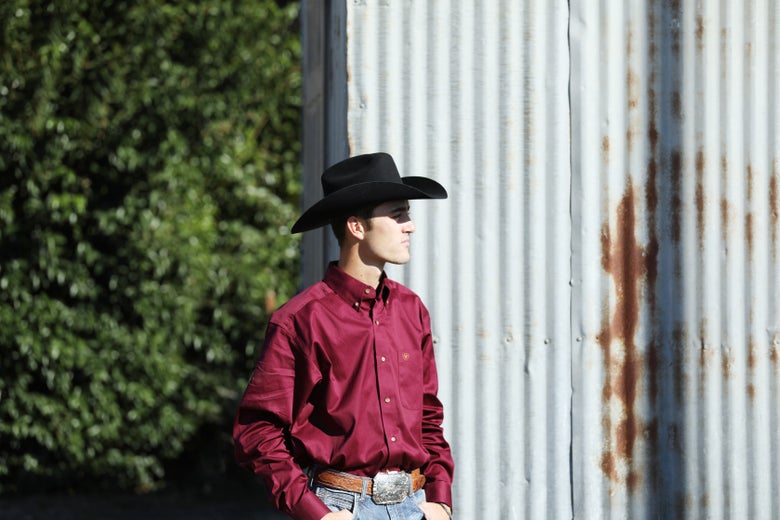
Western Shirt - A button-up top typically made from cotton or lightweight performance fabric, often featuring pointed yokes and a collar. Designed for style and function, these shirts are a staple in Western riding for both men and women.
Western Show Shirt - A tailored, eye-catching top designed specifically for competition in Western disciplines like showmanship, horsemanship, and Western pleasure. These shirts can be subtle or bold in color with sparkly embellishments, embroidery, or patterns. They are fitted to flatter the figure and worn tucked into show pants or jeans. Paired with a belt and cowboy hat to complete a classic Western show look.
Winter Breeches/Tights - Cold-weather riding pants designed to keep you warm. Commonly made with fleece-lined fabrics, they provide insulation while still having the flexibility and grip you need to ride. Some styles also include water-resistant or windproof fabric for added protection. Here are our Top Choices for Winter Riding Pants to help you find your perfect pair!
Riding Footwear
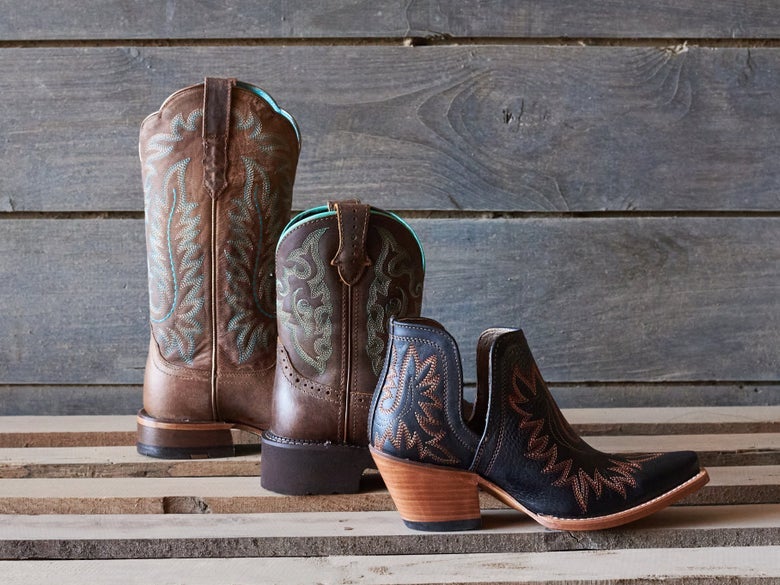
Cowboy Boots - A staple of Western riding, known for their durable leather construction. Traditionally designed to protect you while working on the ranch, the shape helps keep your foot securely in a Western stirrup during long days in the saddle. Today, they come in a variety of styles, from working ranch-ready designs to dressier boots perfect for a night out. Curious about toe shapes, heel types, or how to choose the right pair? Check out our Complete Guide to Cowboy Boots to kickstart your boot knowledge.
Lifestyle Shoes - Equestrian-inspired shoes designed for comfort, style, and functionality around the barn and beyond. Lifestyle shoes aren't made for riding, but they are perfect for walking the grounds or running errands after the barn. With features like supportive soles, durable materials, and a casual-cool look, they bridge the gap between barn life and everyday life.
Paddock Boots - Short, ankle-height boots for everyday riding and barn work, especially popular in English disciplines. Designed to be paired with half chaps or worn on their own, paddock boots offer a heel suitable for riding, while providing comfort for working around the barn. They are great for lessons, schooling, and young riders.
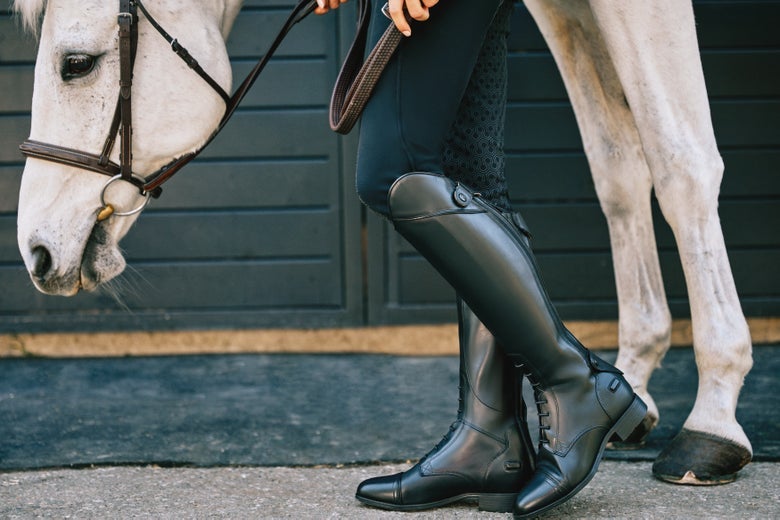
Tall Boots - A staple piece of footwear in English disciplines like hunter/jumper, dressage, and eventing. These boots extend up to just below the knee and provide protection, grip, and a professional look in the saddle. If you're new to tall boots, check out our article on how to size and fit tall boots. Here is a brief overview of the three major types of tall boots made for each discipline:
- Field Boots - Tall boots with laces at the ankle, giving a little more flexibility to the boot. Popular among hunter riders and eventers.
- Dress Boots - A tall boot with no laces for a clean, sleek, elegant look. Popular among eventers, show jumpers, or dressage riders at the lower levels.
- Dressage Boots - A more specialized version of a dress boot. A stiffer outer shell often featuring a higher cut topline to elongate the leg for an elegant appearance.
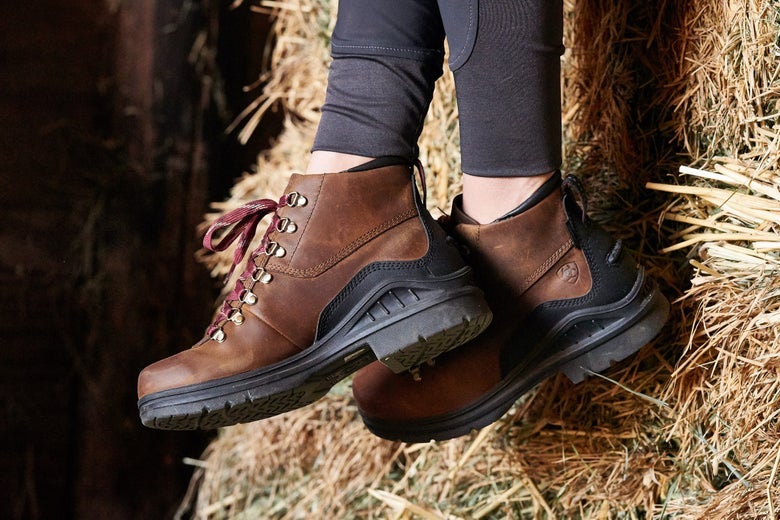
Trail Boots - Blend the functionality of a hiking boot with the safety of a riding boot, making them perfect for endurance and trail riders. Trail boots often feature a grippy sole, cushioning, and weather-resistant material. Great for riders who explore varied terrain, dismount frequently to walk, or spend full days working around the barn.
Winter Boots - Designed to keep your feet warm and dry, some winter boots are made specifically for riding, while others are better suited for working around the barn. Typically insulated, waterproof, and built with extra grippy soles to handle wet and icy surfaces. Looking for a pair of winter boots for the upcoming cold-weather season? Check out our list of the Best Winter Boots of the year.
Work Boots - Extra sturdy, supportive boots built to handle working conditions. While they are not made for riding, they are appropriate for everything that happens before and after you swing your leg over the saddle. Designed to protect your feet while mucking stalls, hauling hay, fixing fences, or working around livestock. These boots typically feature reinforced soles, waterproofing, and slip-resistant tread.
Riding Accessories
Boot Tree - A structured tool, often made of plastic, that is placed inside the shaft of the tall boot when it is not being worn to help maintain its shape and prevent creases. Boot trees also promote airflow inside the boot, helping them dry out after a ride and extending their lifespan.
Bun Net - A stretch mesh or crocheted net used to neatly contain a rider's hair in a tidy bun, usually at the base of the neck. Commonly worn in the show ring in dressage and eventing. Bun nets help keep hair secure and professional-looking under a helmet.
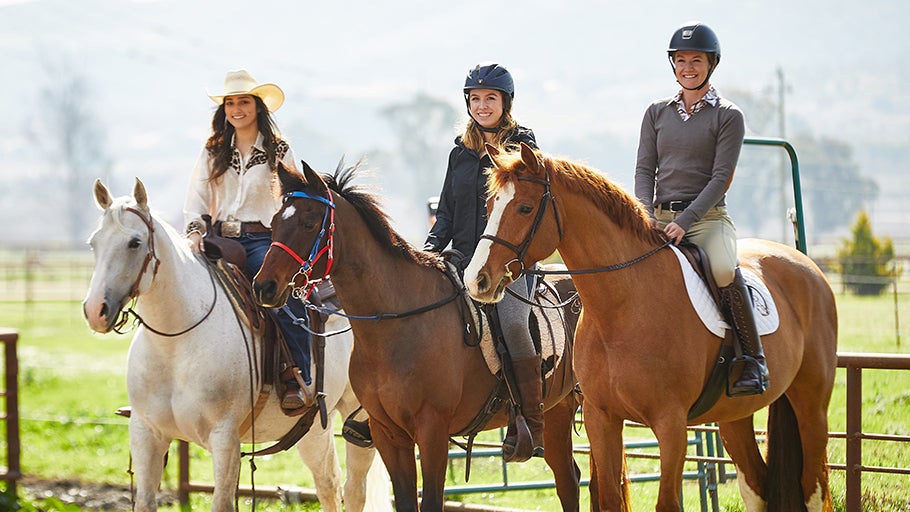
Cowboy Hat - Traditionally worn by Western riders, this is a piece of gear designed for both function and flair. It provides sun protection, shields from the elements, and keeps your head cool in the summer (straw hat) and warmer in the winter (felt hat). Check out our guide for more info on How to Choose a Cowboy Hat.
Eventing Watch - A specialized stopwatch designed for cross-country riding that helps riders keep track of their pace and time while on course. Usually featuring large, easy-to-read displays, countdown timers, and audible alerts to help riders stay on track with their optimum time. For more information tailored to the event rider, check out our articles on How to Ride Different Cross-Country Fences and Post Cross-Country Horse Care.
Garter Strap - A narrow adjustable strap worn just below the knee, traditionally used by children wearing jodhpur pants in the show ring. It helps keep the pants from riding up and adds a traditional look.
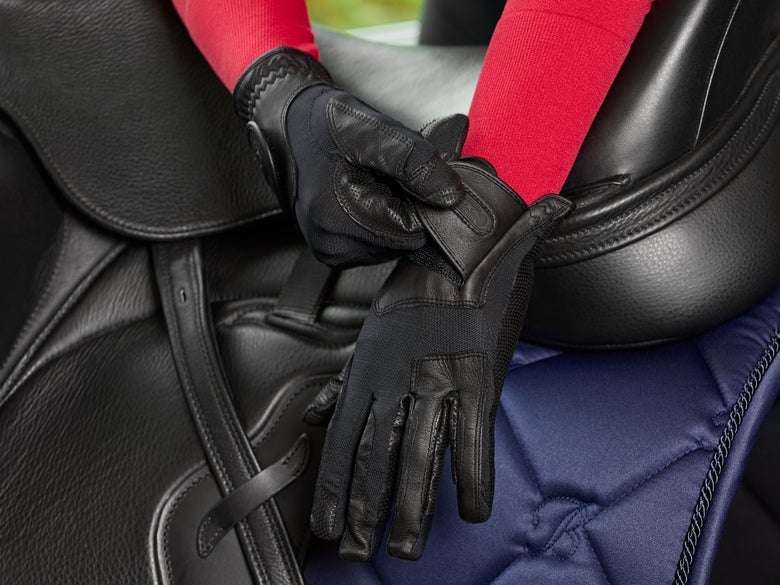
Gloves - Riding gloves protect your hands from blisters, provide a better grip, and can keep your fingers warm in cooler weather. Gloves are mandatory in dressage, including the dressage portion of eventing, and traditionally worn for hunters, jumpers, and equitation classes. Check out our recommendations for the Best Summer Gloves and Best Winter Gloves of the year.
Hairnet - A fine mesh covering used to keep a rider's hair neatly contained under a helmet. Especially important in English disciplines like hunters, equitation, and dressage, where a polished appearance is part of the tradition of competition.
Heel Lift - A small insert placed inside the heel of a tall boot to slightly raise the rider's heel. Heel lifts are commonly used while breaking in tall boots, preventing the boot from rubbing before the leather softens.
Helmet Cover/Hat Silk - A helmet cover, often called a hat silk, is a stretchy fabric cover that fits snugly over a riding helmet. Originally made of velvet, it was used to turn your everyday helmet into a show helmet. Today's covers come in a wide variety of colors and patterns and are popular for adding some fun personal style to your riding outfit, especially on the cross-country course.
Helmet Visor - A removable or attachable visor that clips, stretches, or Velcros to your riding helmet. Helmet visors are especially popular with trail riders, but are great for riders of all disciplines! They help shield your face from the sun, and visors with an extra wide-brimmed design can even protect your ears and neck. Learn more with our Equestrian Helmet Visor Guide.
Medical Arm Band - A small, secure sleeve or pouch worn on the rider's upper arm, designed to hold important medical information. It is most commonly used in eventing and other high-risk riding disciplines where riders may be on course alone or out of easy reach. The arm band ensures that first responders have immediate access to critical information in the event of a fall or emergency.
Pinny/Bib - A number holder worn over the rider's torso, typically secured with adjustable straps over the shoulders and around the sides. Most commonly used in eventing while on the cross-country course, but also seen in long-distance endurance rides. The pinny ensures visibility for judges, officials, and photographers while out on course.
Riding Belt - A necessary part of your show attire, it is also a nice touch to wear during clinics and lessons for a professional look.
Scarf Slide - A decorative and functional accessory seen in Western riding, used to secure a wild rag or bandana around your neck. It slides over the ends of the scarf to hold it in place without the need for a knot. Commonly adorned with engravings or turquoise accents.
Spurs - Metal tools worn on the heel of riding boots. Used by both English and Western riders, they come in different styles and lengths depending on the need and experience of the rider. When used correctly, spurs act to reinforce leg cues, not to punish.
Spur Straps - Leather or synthetic straps that secure spurs to your riding boots to keep your spurs in place. Used in both English and Western disciplines, they can be plain in appearance or have details like rhinestones and tooling.
Stampede Strings - Leather, rawhide, or braided cord attached to a cowboy hat to help keep it securely in place, especially in windy conditions or riding at high speed. One end loops through the hat, the other under the rider's chin. This is a must-have if you don't like chasing your hat!
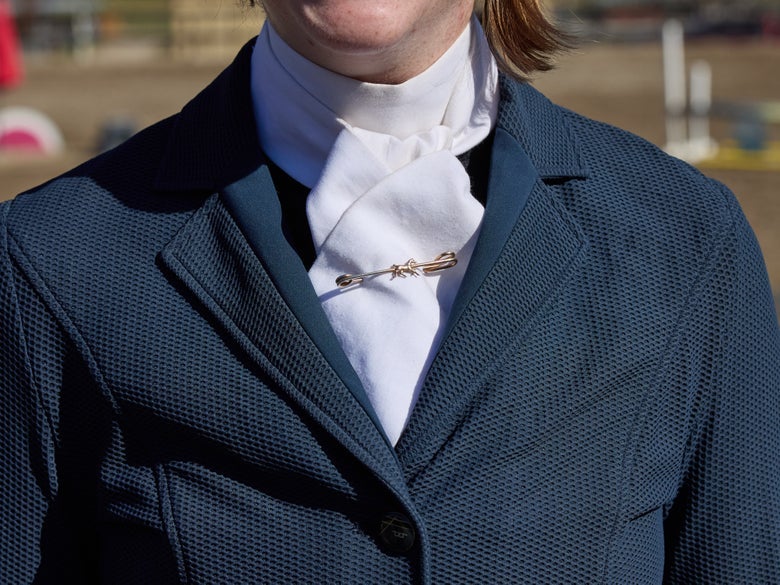
Stock Pin - A small, decorative brooch used to secure a stock tie in English disciplines like dressage and fox hunting. It adds a classic touch while keeping the stock tie in place.
Stock Tie - A traditional piece of formal equestrian attire, most commonly worn in English disciplines like dressage during a competition or fox hunting. It is a wide, white necktie (often pre-tied) and typically secured with a stock pin. Originally used for both aesthetic and function, doubling as a bandage or sling in an emergency while out on a fox hunt. Check out our complete article for more information on stock ties.
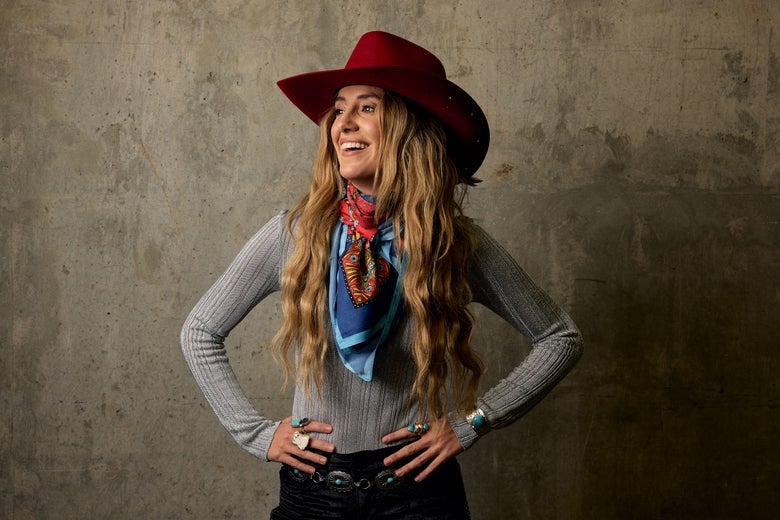
Wild Rag - A large, often colorful silk scarf traditionally worn by Western riders around the neck for a fashionable look. While they add a pop of personality and Western flair to your outfit, they can also be dipped in water to help keep you cool in the summer, provide warmth in cold weather, lend protection from sun and dust, or even work as a makeshift bandage in an emergency. Perfect your wild rag tying with our useful how-to article!
Riding Safety Equipment
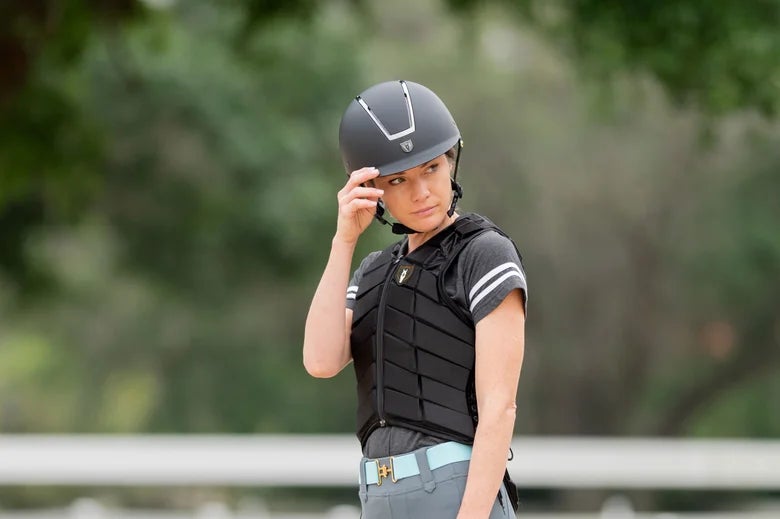
Air Vest - A safety vest designed to protect a rider's upper body, including the spine, ribs, and internal organs, in the event of a fall. It uses a lanyard system that attaches to the saddle; if the rider is unseated, the lanyard triggers a C02 cartridge, inflating the vest almost instantly. Popular for cross-country riding, in combination with a body protector, air vests are a smart choice for riders looking to add an extra layer of protection without sacrificing mobility.
American Society for Testing and Materials - Commonly known as "ASTM", this is an international organization that sets safety standards and performance standards across many industries, including equestrian sports. You will most often see "ASTM" in reference to riding helmets, but it is also used for safety vests. An ASTM-certified helmet has passed rigorous testing for impact protection, strap strength, and overall safety. When shopping for a helmet, always make sure, at a minimum, the helmet is ASTM/SEI certified. For more information, check out our informative article on helmet safety standards.
Back Protector - A piece of safety gear with a soft front and protective back, designed to shield a rider's spine and back from impact during a fall. With less bulk, a back protector is easily worn under a show coat and made of shock-absorbing materials that help reduce the risk of injury. Back protectors are a great option when schooling young or unpredictable horses, but they are a smart choice for any rider.
Body Protector - A padded vest, both front and back, worn most commonly by eventers during cross-country. They absorb impact, protect against rocks and sticks, and reduce the risk of injury during a fall. Designed to shield the spine, ribs, and internal organs, body protectors are great for working young or unpredictable horses and any rider of any discipline wanting extra protection. Check out our Learning Center article for our in-depth Riding Safety Vest Guide.
Helmet - A safety helmet designed specifically for protection while riding (smart to wear during groundwork as well!) to minimize injury in case of a fall, impact, or accident. It is made of a hard outer shell and layers of some form of foam or other materials that absorb shock, reducing the risk of serious injury. A properly fitted helmet is the safest helmet, and we can help you find the correct size.
Multi-Directional Impact Protection System - "MIPS" is a safety feature found inside certain riding helmets designed to reduce rotational forces during angled impacts, which are common in falls from horseback. MIPS adds a low-friction layer between the helmet and your head to allow the helmet to slightly rotate on impact, helping to better protect your brain in the event of a fall.
Apparel Fit Terms
Clothing Fit:
- Fitted - Hugs the body tightly with no space between your skin and the fabric.
- Semi-Fitted - Anatomically-styled, body-contoured apparel that fits close to the body but is not body-hugging or snug.
- Relaxed - Apparel that drapes loosely from the body and is styled to provide a fuller fit.
Waist Rise:
- Low - Sits low on or below the hips. Often measuring seven to eight inches from the waistband to the fork (where the legs meet the crotch).
- Mid - Sits between the hips and the navel, just below the natural waist. This is the most common rise option offered in pants.
- High - The longest distance from the waistband to the fork, sitting near or above the belly button. High-rise pants can give the appearance of longer legs.
Closing Thoughts
Now that you've got the basic lingo down, you're well on your way to talking the talk and dressing the part. And if you ever find yourself stuck between what tall boots to buy or what cowboy hat will fit the part, our friendly customer service team is happy to help decode the details. We are always just a call or email away at 1-800-620-9145 or info@ridingwarehouse.com. Happy riding!