Horse & Rider Training
Walk a Show Jump Course with Andrea Baxter
We understand that choosing your next equine partner can be daunting. Some riders simply do not know where to start, especially if they don't have a lot of experience. Eventing is a demanding sport that requires a horse to be athletically capable in the three areas of dressage, cross country, and show jumping. It is very important to choose the right horse for your performance needs, and that's why we partnered with Olympian Stephen Bradley and five-star event rider Andrea Baxter to get their expert insight on what to look for and how to develop a young event horse. Read on for their valuable expert insight on everything from selecting a young horse to breeding your own equine partner!
Selecting a young event horse is an art, a science, and requires a bit of intuition. I have spent a fair amount of time hunting for the next big eventing star, from the stalls at a racetrack to a high-end breeding facility. Talented horses can be found in all sorts of places if you know what to look for! Wherever I am looking, my three key considerations are conformation, balance, and movement.
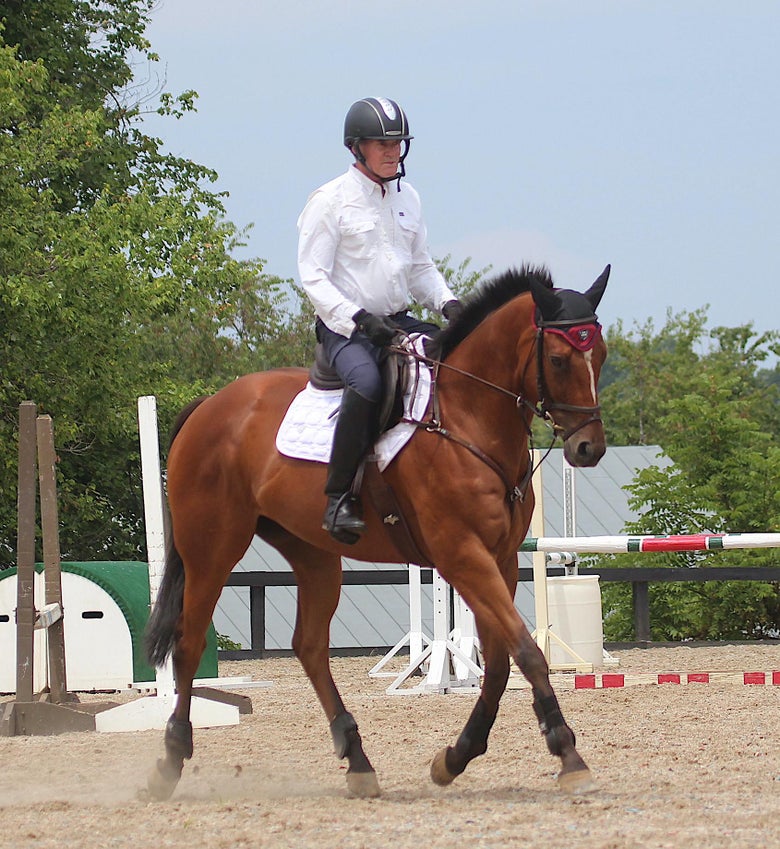
When I evaluate a young event horse, one of the first things I examine is conformation or the build of the horse. I look for horses with well-proportioned bodies, a strong head, and a broad chest. I tend to prefer horses with necks that rise gracefully out of their shoulders. Ideally, the shoulder should be as high as (if not higher than) the top of the croup behind. I prefer horses that are a bit longer in the back rather than those that are short-coupled. Additionally, I look for horses with angles in their hind limbs, avoiding those with overly straight hocks.
Balance is crucial in eventing, and I place a premium on a horse's uphill balance. While there have been successful horses with a slightly downhill balance, I lean toward uphill horses because it sets them up to stay healthy long-term in the sport. I watch balance very carefully!
A young event horse's movement is a significant indicator of its potential. I do not necessarily prioritize fancy, extravagant gaits; in many cases, the gaits will improve with age and strength. Instead, I look for horses with a good walk, where the hind foot strides well in front of the track of the front foot. It is hard to improve the walk, but incredibly easy to ruin it. The walk is so much more important than many people give it credit for! I also value a balanced and rhythmic canter.
While conformation, balance, and movement are all important factors to take into consideration when selecting a young event horse, there are of course numerous other ideas you'll want to take into account. Read on for more of Stephen's considerations!
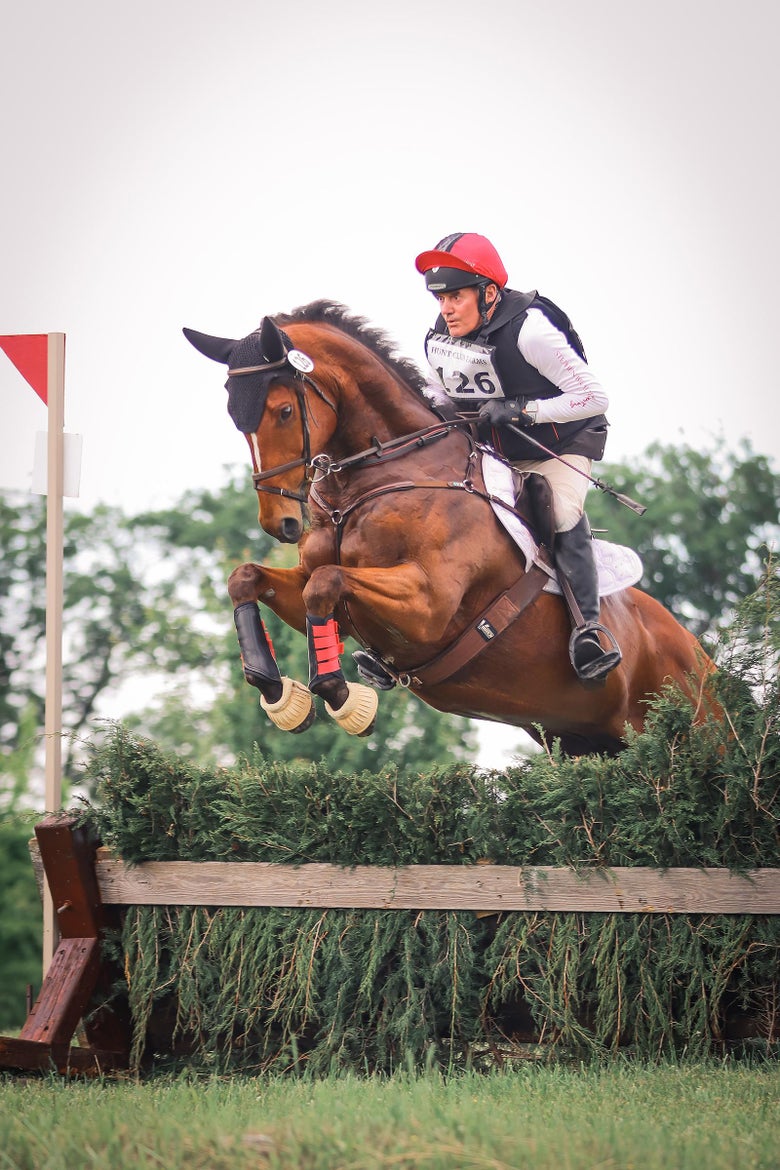
Age of the Horse - Young horses change quickly! Many racehorses experience physical changes that lead to an improved balance once they begin flatwork and proper training, so it's important not to count them out of the prospect race. The scapula and withers of a horse can grow with the development of muscle, which can make a horse feel and perform more uphill, even if they didn't seem that way at first.
Goals of the Rider - Looking at your own goals can help you figure out the kind of temperament you want in your future horse. A young event horse with a calm and willing temperament is a treasure. I personally look for curious horses who are not rattled in new environments and who enjoy coming into the arena to work. Are you looking for a steady-eddy type who will fall asleep tied to the trailer, no matter where he is? Or do you want a horse who will ask you more questions and be more engaged with his surroundings? Ultimately, age and training can help a nervous young horse become a confident eventer. Similarly, a curious young horse can arguably be easier to develop.
Enjoy the Ride - The last, and possibly most important, key to finding your next eventing partner is making sure you enjoy the ride! You should be excited to be in the arena with your horse and build up that partnership. You could have the most correctly built, talented young horse in front of you, but if you aren't enjoying the ride then the horse will not enjoy their job.
Competing on a horse that you bred and trained from the ground up is certainly a rewarding experience too! RW Sponsored Rider Andrea Baxter has had some of her biggest accomplishments on home-bred horses, including competing at the five-star level on a mare named Indy 500, while simultaneously competing with Indy's son, Laguna Seca, at the four-star level. These feats are a true testament to Andrea's breeding and training program. Watch the video below and read on to find out a little more about Andrea's philosophy when it comes to breeding and producing event horses!
I got into breeding and eventing from my mom when I was very young. My mom did a lot of breeding when I was a kid. We always had mares and babies around, so I got into looking through the magazines with my mom and picking out stallions.
The first good horse I rode was one that my mom bred. She rode it through Advanced, and I took him on to Young Riders. We went on to breed another good mare that I rode again at Young Riders, and I took her through the five-star at Kentucky. It's gone on from there!
All the mares we started off breeding were off-track thoroughbreds. When I got Indy 500, she was a four-year-old. She was not off the track, but she was a thoroughbred and had a bit of a "wingnut" history. I got her and decided to breed her to help calm her down.
When I did that, she was easy to get in foal and had "Junior," or Laguna Seca, my four-star horse. She was a horrible mother, but he turned out to be quite a superstar. It was pretty cool to see the two of them grow up together and both be Advanced horses at the same time.
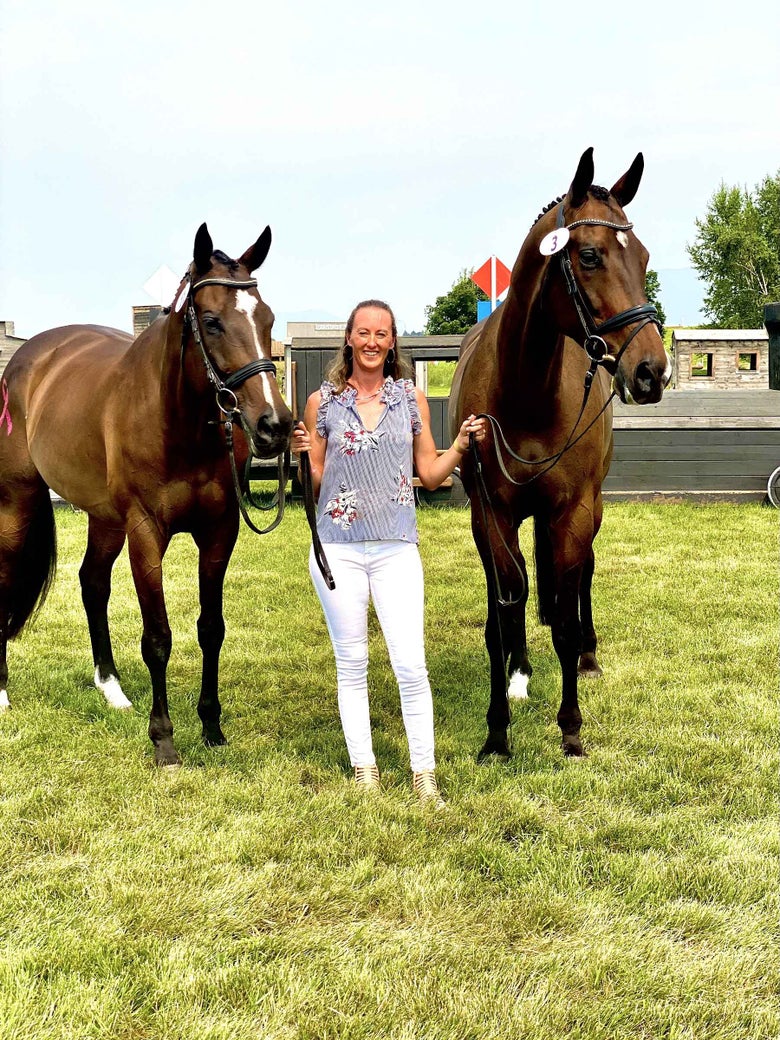
Laguna Seca was a very big baby, so I started him a little bit earlier than some. He was about two years old, and I put about 60 days of training on him, then turned him out to mature and develop. When he was four, I started training him a bit more to jump and do proper flatwork. He came out strong as a five-year-old and did very well in the Young Event Horse program.
I think it's really important to start the babies with a lot of handling and groundwork. Unfortunately, when Junior was a baby, they didn't have the Future Event Horse classes, so he missed those (but he did start in the Young Event Horse classes). With all of my other babies, I have done a lot of the Future Event Horse classes; I think that's really educational for them to learn manners and in-hand groundwork.
Sometimes the Future and Young Event Horse classes can be a little subjective, and we're not sure what they're looking for, but I personally have always found huge value in the classes as a training tool for my horses. I like to take it on as something to educate the horses more than I worry about how they place in the class.
Picking a stallion for your mare seems like a big task. I think it's important to start with a really nice mare, then pick a stallion that complements the mare you have. We obviously want to make things better, but if you go too extreme on opposites, I do worry that the baby will have too much variety in its look. I usually try to breed compliments to compliments.
We hope this article offered you helpful insight on things to keep in mind when considering a young prospect for eventing. Your event horse goes through a lot of preparation and hard work in order to successfully compete, whether you breed the horse yourself or purchase them further along. Should you have any questions, feel free to reach out to us at 1-800-620-9145 or info@ridingwarehouse.com. Happy eventing!