Equestrian Goal Setting:
Tips From RW Sponsored Riders
By Alison & Andrea Baxter & Sanoma Blakeley & Krista Williams
Last Updated November 28, 2025
• 11 min read
We know how much work it takes to care for, manage, and ride horses. Equestrians from all walks of life do it for different reasons, and some riders can start to feel defeated or stagnant if they don't have a goal they're working toward. It is important to set and achieve riding goals to have more purpose in your relationship with your horse, which only deepens your connection further!
The most difficult part is committing to a goal in the first place, because we are naturally afraid to fail. What if we don't hit our goal? But remember, if you set a goal and don't hit it, you still made more progress than if you never tried in the first place. No rider is ever successful without some failures and setbacks along the way, but that is what makes the work so rewarding! We've partnered with RW sponsored riders Andrea Baxter, Sanoma Blakeley, and Krista Williams to help you set and achieve your riding goals, so you can turn your equestrian dreams into a reality. Follow along to get their expert insight!
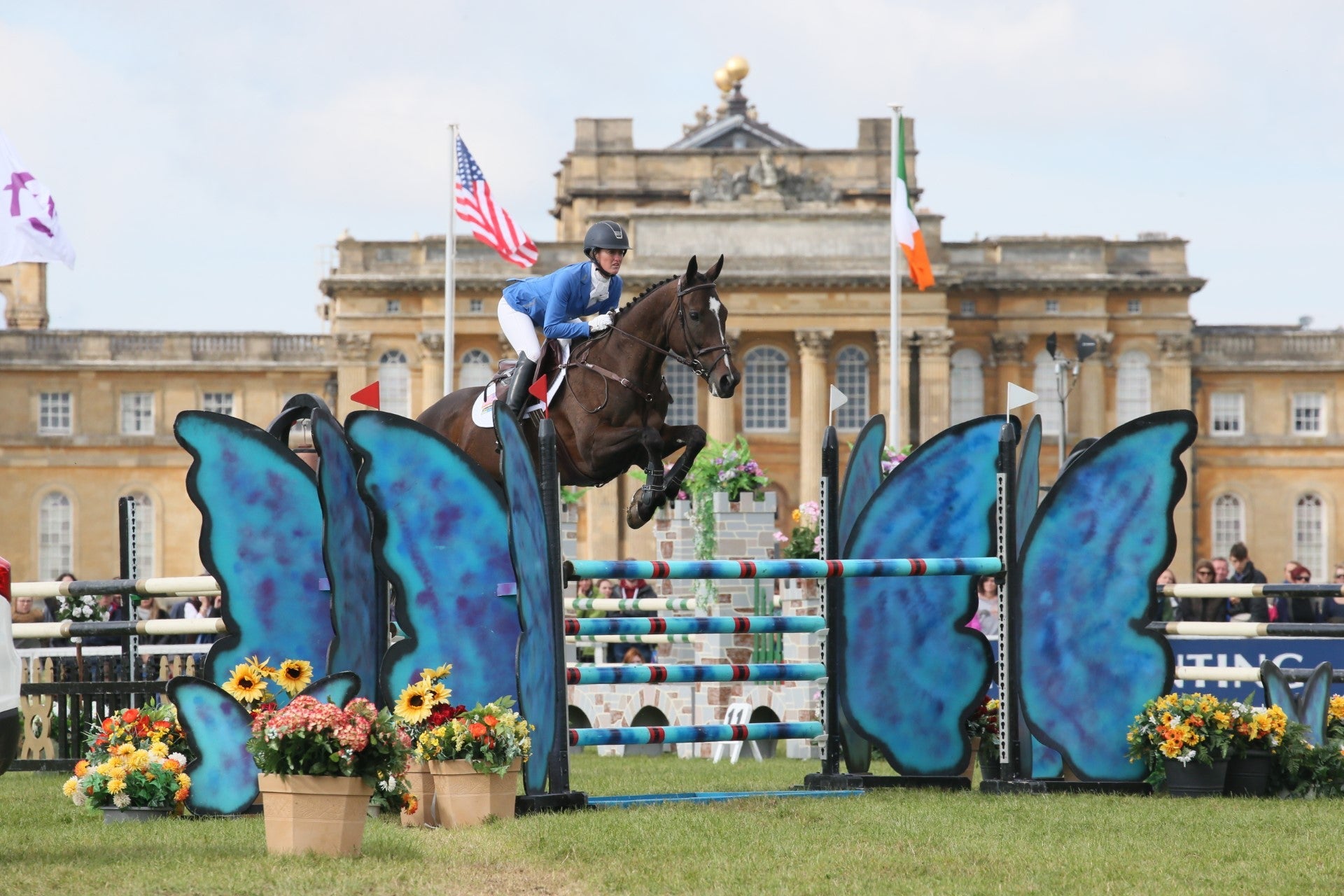
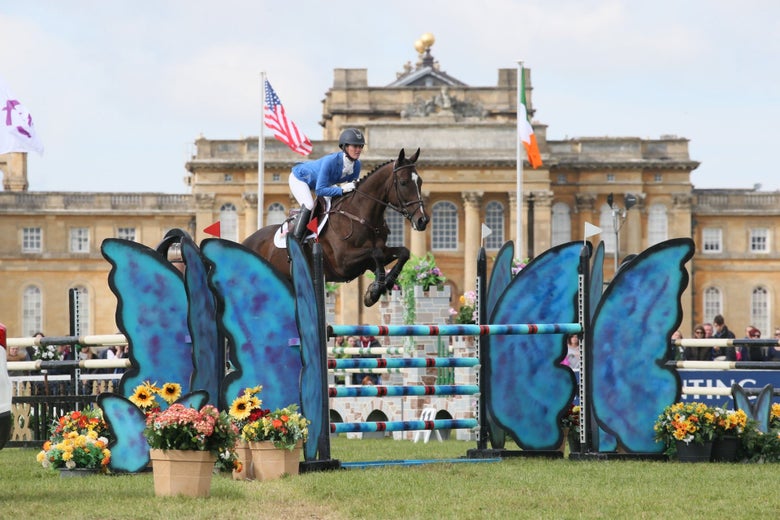
Advice From 5* Eventer Andrea Baxter
How do you take what you've learned and apply it to what you want to accomplish in the future?
Keep building blocks in mind and always remember how you got to where you ended up. I think that's the hardest thing when you change something new, like a new horse. You have to remember, "How did I get there with the last one? Where did I start from?" Have a system and believe in the system; it's not about getting lucky or having this or that lesson. It's actually understanding the building blocks for the system—where you start and where you go next. Really believing in that and having a pattern for the system makes it easier to see where you're going. You're not just shooting from the hip!
How do you ensure your success in reaching your goals without placing too much pressure on yourself?
I grew up riding with my mom on OTTBs or something we bred, and I always had a really natural eye and feel for the canter over jumps. Dressage has been hard for me, so now that I'm into my more professional career, I'm trying to become more competitive on the flat (which has never been my focus). I was always angling at bigger, higher, and faster; now I'm trying to focus on better. I'm trying to bring it full circle and be more competitive, and I honestly need to put more pressure on myself because I don't put any pressure on myself! I'm learning that I need to focus on the things that never really stressed me out and raise my standards a bit. I do the work with the horses on an everyday basis, so I don't get nervous coming to the shows. I'm wrapping my head around being more consistent and goal-driven. I've already been at the top level, and now I want to be better at all the levels!
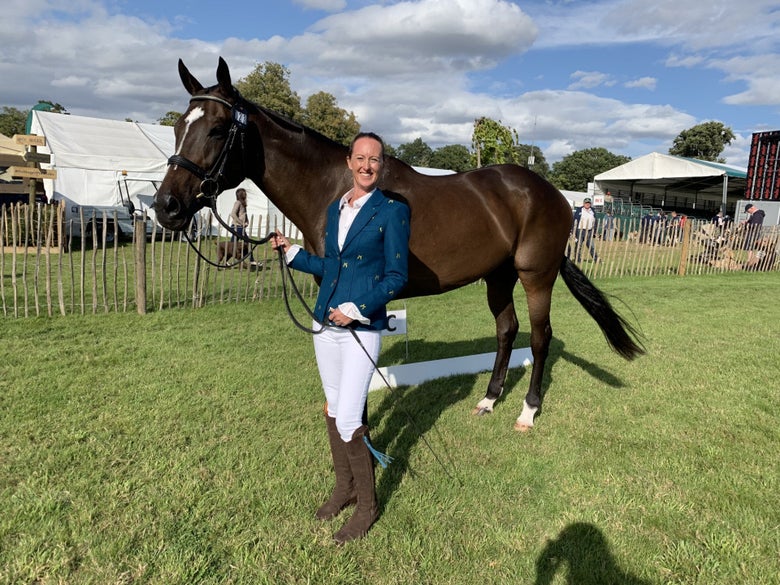
Do you want to focus more on finding your next upper-level horse? Will there ever be another Indy 500?
We're always looking to find and develop our next horse, but I think it's important you enjoy riding your horse at any level. Ride them to the point where you are satisfied with the level they're at. It's not worth squishing a square peg down a round hole. If at any point a horse that I'm producing doesn't feel like the level is easy enough work, it doesn't take a lot for me to decide to put them at an easier level. I am always willing to give them the benefit of the doubt for as long as I can, as I'm a glass-half-full type of person.
That being said, the sport is pretty expensive these days. You can't necessarily afford to keep several horses at the top unless you're selling some along the way to keep playing the game. In terms of Indy 500, no one will ever replace her! She gave me hell for a long time. It wasn't all rainbows and roses. She was a very cool horse, and her cross-country was pretty much the most amazing thing ever for such a little, downhill thing!
If you could go back in time to include some form of training or education for yourself, what would you include?
I became a professional rider without really trying to become a professional. I think that I didn't spend enough time in my younger years developing my weaker skill, which is dressage. At the time, I didn't realize this was where I was going to end up; I just figured I didn't really need to work on it. Learning different methods as a working student, at an age where I could afford it, would've helped me more in dressage. It was a little bit too late for me when I was out of college and more in the sport. I was very involved and kept myself relevant. The dressage and flatwork got a little bit skipped, and now I'm putting the pieces back in alongside the jumping that I'm more natural at.
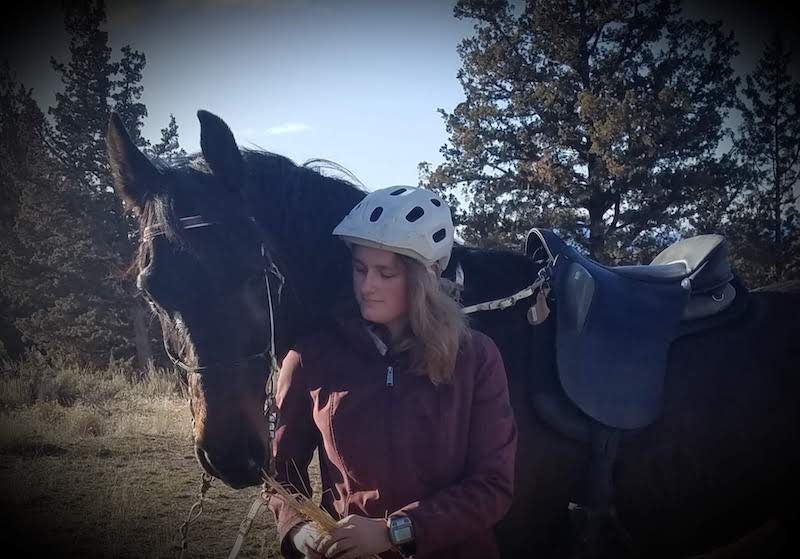
Advice From Tevis Cup Winner Sanoma Blakeley

Why is setting goals important to you?
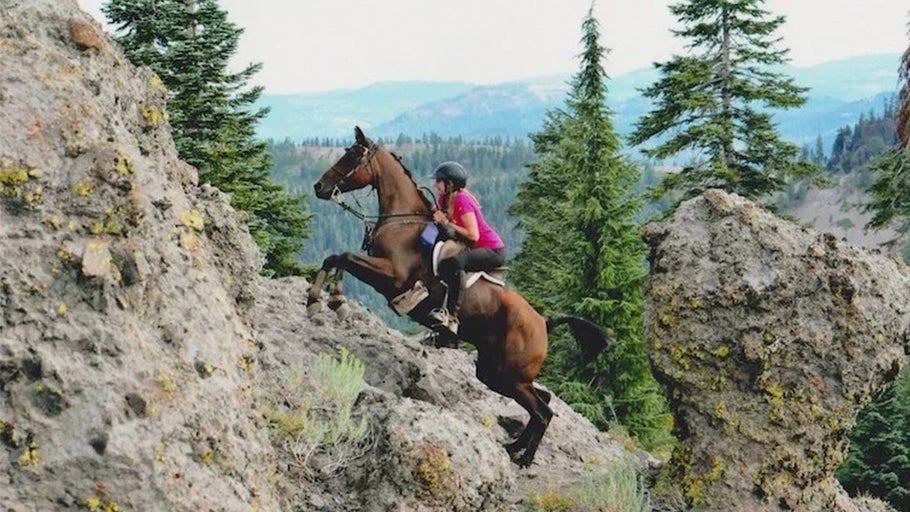
Goals are a great way to hold ourselves accountable, even if we fail. Setting goals and working hard toward them helps us understand our priorities. I think setting goals is exciting because you get to imagine all that is possible for you to achieve! Goals can also increase your joy and motivation, and offer satisfaction when you look back to see how much you improved.
There are two different kinds of goals: short-term goals and long-term goals. For example, an endurance rider's long-term goal might be to compete in the Tevis Cup. Setting a series of attainable short-term goals will help them reach that long-term goal. They might set the goal of completing the Tevis for three years down the road, then in the short-term aim for finishing a few 50-mile races. Only setting long-term goals can be overwhelming and make them seem unachievable, while only setting short-term goals can be less satisfying. A nice mix makes riding more fun, as you feel your progress and see yourself achieve what you are striving for!
Setting goals isn't only for riders who are particularly ambitious; every equestrian can benefit from setting goals. Having goals can add purpose to your relationship with your horse and help you improve as a rider. It can be easier to set goals at the start of the year, but the best time to set a goal is right now! Putting off your goals for too long gives you a good excuse to procrastinate. Simply start where you are and go from there!
How do you set your riding your goals?
First, personalize your goals. Your goals should have real meaning and be important to you; you want to look forward to working toward them! You don't have to have the same goals as your friend, because everybody's needs and horses are different. Factor your horse's abilities into the equation. You know yourself and your horse better than anyone, so while it is good to get advice, make sure your goals are still personal to your specific desires.
It's also important to make sure you specify your goals. Striving toward generic goals is not as motivating, since you don't have the emotional attachment and drive. Therefore, set specific and measurable goals. If you make your goals measurable, it is easier to know when you have achieved them. For example, consider setting a certain height to be jumping or a specific time to be running barrels.
Make sure to set yourself a reasonable time frame. Expecting to reach your goals too soon can make them seem unattainable, due to not giving yourself enough time to prepare and see improvement. On the other hand, setting goals too far down the road can cause you to lose motivation and make it easier to take days off. The best goals are typically those you set out to achieve in three to six months. This time frame works well as it gives you enough time to reach the goal while still requiring consistent work to succeed.
Set goals that are achievable but will take work and planning to achieve. They need to be both challenging and realistic! Goals that are too easy will not motivate you, and goals that are too far above your or your horse's level could lead you to feel discouraged. Remain realistic and value every accomplishment along the way.

How do you work toward achieving your riding your goals?
Writing down your goal and putting it somewhere you can see it will help materialize it into reality, making it feel less like a dream floating in your head. It can be easy to push off goals or procrastinate on them if they only live in your mind, but making your goals visible by writing them down can help keep you motivated.
It may sometimes feel like you're not making any progress, but comparing where you are now to a picture or video from several months back can really help keep you moving forward. Measure your success by improvement, not necessarily ribbons or winnings! What does your horsemanship and your horse's performance look like? If you've been following your plans, it's bound to be better than it was when you started.
Reaching your goals won't fall into your lap and happen automatically. That's why it's important to make a plan! Just like when we are going on a road trip, we find the best route and plan stops on the way to our destination; plans can help map out the route between our goals. You'll need to evaluate where you currently are and where you want to be, then establish checkpoints and milestones along the way.
Share your goal with someone you trust who is interested in seeing you succeed. They can be a good source of support if things get tough. If you share your goals with them at the beginning, they can also check in with you, offer encouragement, and congratulate your success. It's easier to brush off a goal and not reach it when no one knows what you're aiming for. It can also be helpful to find others who are striving for a similar goal. Training buddies or mentors offer help, give us motivation, and help keep us accountable!
Finally, don't forget why you're riding in the first place. Have fun! You may have to make adjustments to your goals, since horses seem to have plans of their own sometimes. The most universal goal any rider can set is to have fun! Don't be discouraged by setbacks. It can take a lot of time and effort to reach a certain goal, so don't give up if you don't reach it on the first try. Achieving anything worthwhile takes time, and sometimes we need to rewrite our plans and try something new. It is important to read your horse and be realistic about what you expect from them.
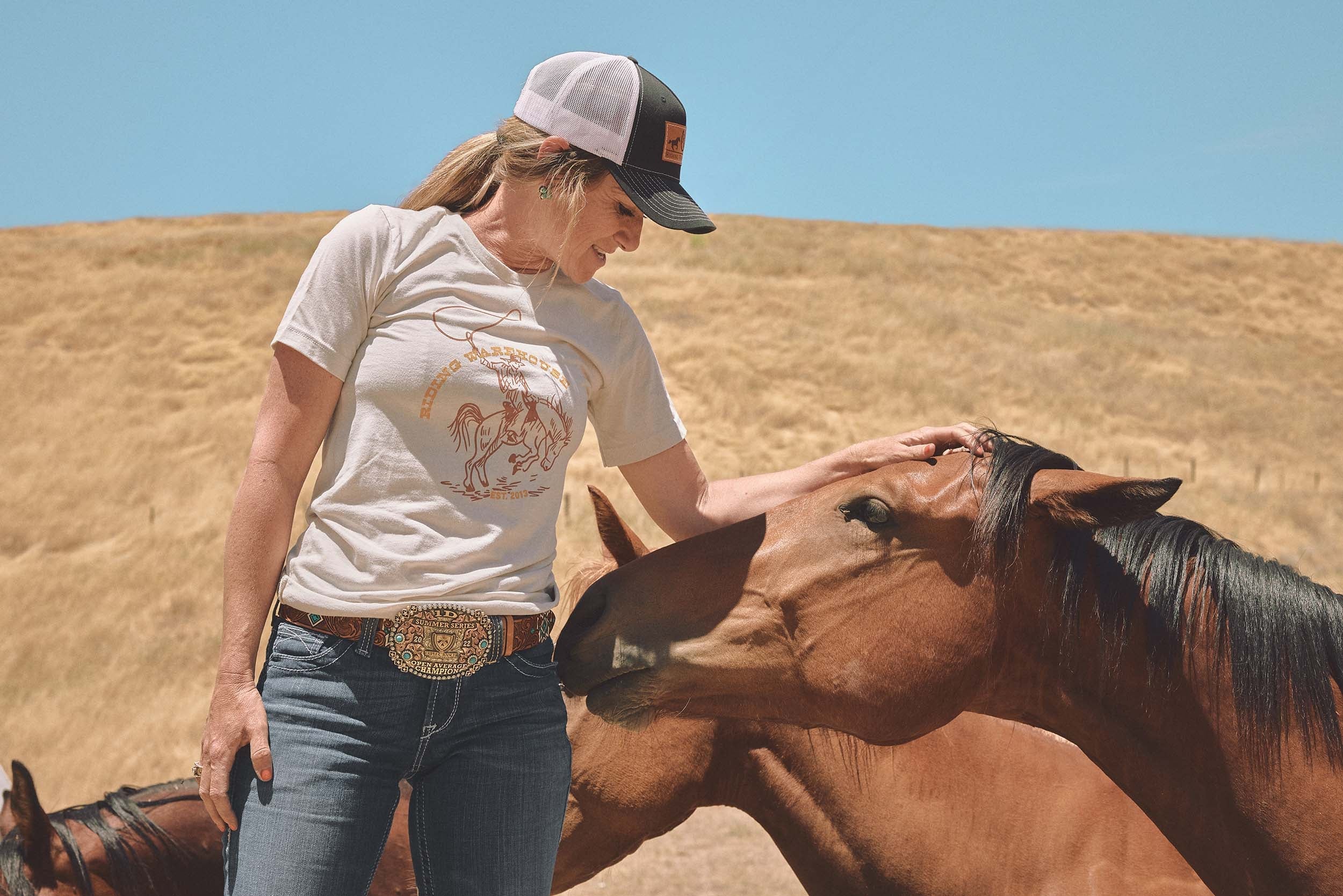
Advice From WPRA Champion Krista Williams
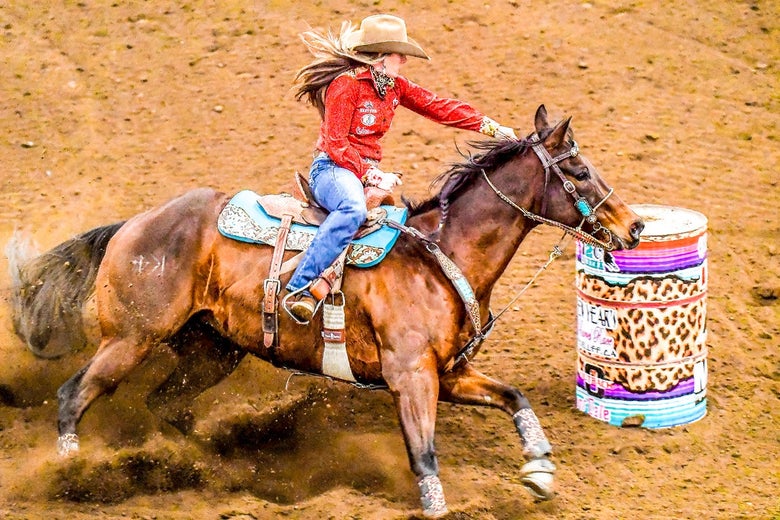
Why are goals important to you?
I need a game plan to hold myself accountable. Without a game plan, it's easy to watch three, four, or even five months go by without making strides toward my end goal. At first, the hardest thing might be just saying the goal out loud or writing it down. It's often easier to accept that you "can't," which forces you into your comfort zone, rather than making that first step.
How do you go about setting goals for yourself?
I start by reflecting on the prior year, then ask myself three questions: What went right, what went wrong, and how can I do better? I also take time to reflect on my current situation by asking myself whether I've maxed out my current horse, or my own health, and what new tools I might need for the next step. The last thing I want to do is become comfortable or stagnant!
When writing out my goals, I start with a long-term goal that currently feels out of reach, then I work my way back. My yearly goal is something I haven't achieved before, all the way back to monthly and even weekly goals. My short-term goals are reachable, and I focus on them daily. In reality, we only need to be 1% better than yesterday for it all to start adding up! I reflect on my goals weekly or monthly and readjust them as needed. Sometimes I may hit a crossroads, and while it's okay to take a different path, it's never okay to go backward.
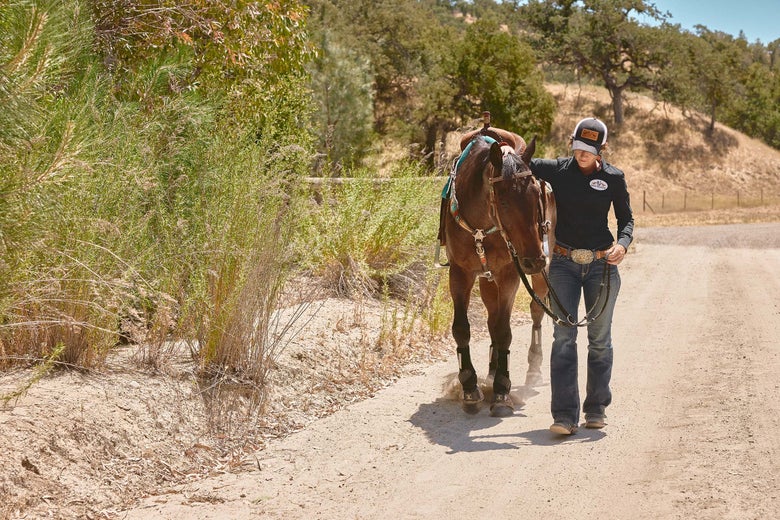
What do you do on a day-to-day basis to meet your goals?
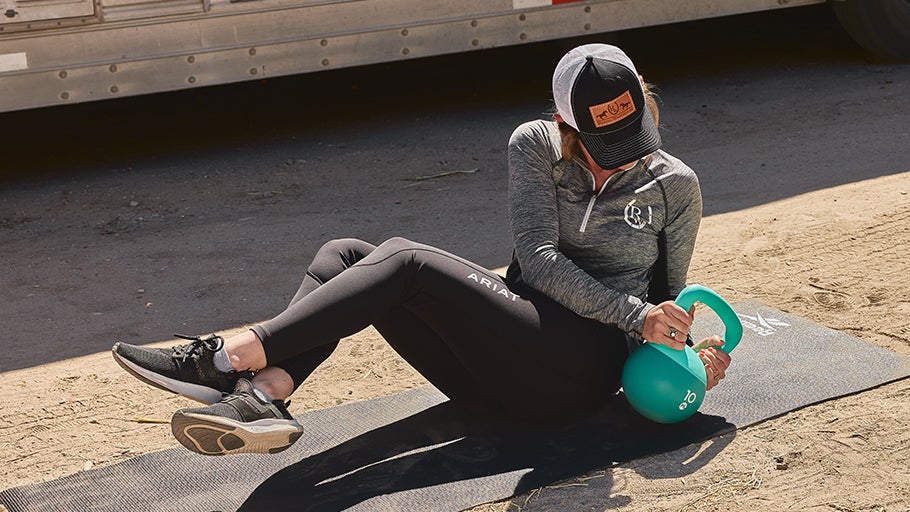
It's important for me to schedule out each day, including what I will eat, when I will work out, when I will work, and when I will ride. I'm self-employed, so I have to hold myself accountable. I also love to read and try to fill my mind with something positive daily. It helps if I write something positive about myself every morning. If I don't believe in myself, I will never achieve my goals!
Do you have any tips for navigating obstacles that come between you and your goal?
This is something we all have to deal with. Sometimes what feels like a tragedy could be a new opportunity, whether that's starting a new colt, investing in a new trainer, or meeting a gym goal. It's all in the way you look at it! I think of these obstacles as tests to make sure my heart is in the right place. The key for me is to not be prideful, always ask for help, and be willing to change my course.
If you could give someone starting out in your sport one tip, what would it be?
Declare your goals to yourself and start with something small. Remember that you only need to focus on 1% improvement every day. Before you know it, you will be reaching those goals!
Learn more about Krista and how she has become an incredible athlete through hard work and goal setting in the video above!
Closing Thoughts
We hope you enjoyed Andrea, Sanoma, and Krista's advice on setting and achieving goals as much as we did! The major goals we set as horseback riders may feel overwhelming, but breaking things down into short-term steps helps us progress over time. By becoming 1% better each day, we can improve by 365% after a year—366% in a leap year! Should you have any questions, we encourage you to reach out to our helpful customer service team at 1-800-620-9145 or info@ridingwarehouse.com. Happy riding!