Equestrian Footwear
How to Clean & Polish Tall Boots
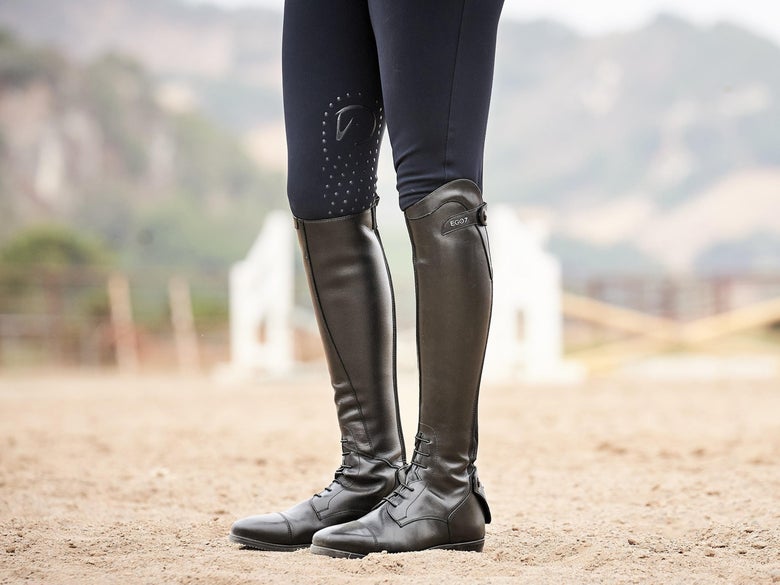
One of the most important pieces of an equestrian's riding gear is their footwear. Horseback riders often start in paddock boots and half chaps, mainly due to growing feet or wanting a lower price tag. As riders learn more skills over time, they find that tall boots can help them in the saddle.
Exciting, intimidating, confusing, and maybe even a little painful—these are all words that come to mind when thinking of buying a new pair of tall boots. Not only can tall boots be a significant investment, but trying to figure out what type is right for you and finding your size can be a daunting task.
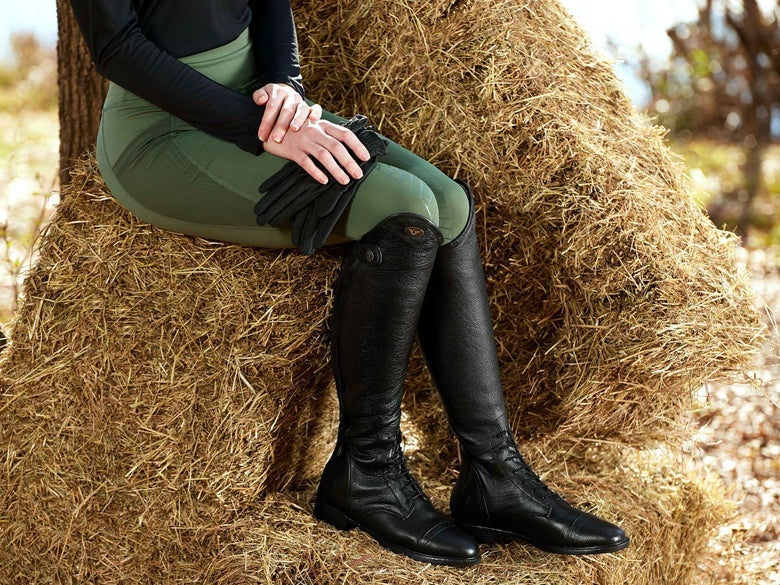
Tall boots can make or break your performance in the arena, and the right pair should enhance both your lower leg stability and your balance in the saddle. A tall boot also helps with a longer-looking leg and creates an elegant presentation, no matter your chosen discipline. Tall boots can be worn in training or a show setting and are typically worn by adults and teens. Children 12 and under competing in certain disciplines in the United States are allowed to compete in paddock boots with garter straps or paddock boots and half chaps. Not sure what your discipline is allowed to wear? Check out the full collection of USEF governing rules!
Below, we'll show you the difference between the types of tall boots, outline a few favorites, as well as review a step-by-step guide on how to measure yourself—or your little equestrian! Whether you're in the market for field boots for the equitation arena, dress boots for your trip down centerline, or your very first pair to begin your beloved boot collection, we've got you covered!
The three most common styles of tall riding boots are field boots, dress boots, and dressage boots. Dressage boots are also referred to as stove pipe boots due to their more structured and cylindrical calf shape. What type of boot you use is primarily up to you and your personal style preferences, except dressage boots since those are only used in dressage.
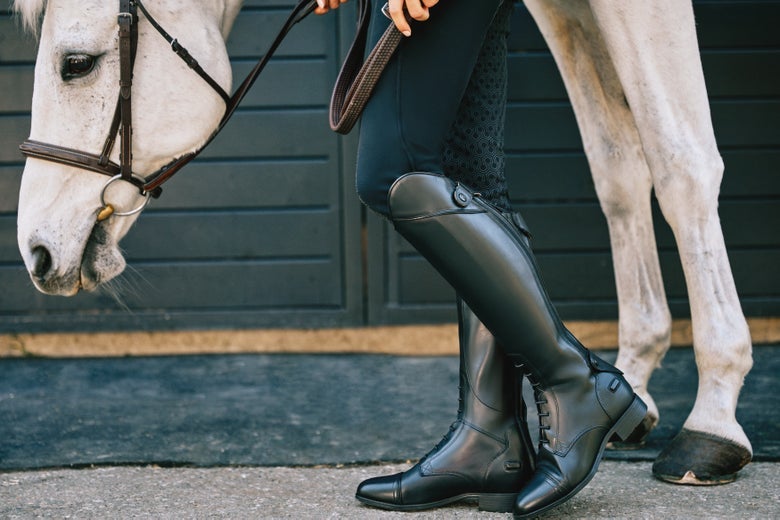
Field boots are typically made of soft, supple leather with laces at the instep, allowing deeper ankle flexion when the rider uses a shorter stirrup for jumping position. The jumping disciplines favor an elegant and elongated leg position, even with a shorter stirrup, both stylistically and due to the balance that a longer leg position provides in the air over a fence. To help achieve this coveted look, boots can have different cut tops or calf accentuations. For example, higher Spanish cut tops can help accentuate the look of a longer leg. The boot should be form-fitting without sagging. A saggy calf can be uncomfortable for riders and can negatively impact the feeling of your leg aids. Additionally, in a show setting, a saggy and wrinkly boot will taint the overall appearance and give a negative impression to the judge.
Some distinguishing factors for field boots:
Worn in these disciplines: Hunter, Jumper, Equitation, Show Jumping, Eventing, Dressage
Added height for drop: 1-2 in / 2.5-5 cm
Dress boots are quite similar to field boots, with the largest difference being the absence of laces over the instep. They are made of the same soft, supple leather that should provide a more snug, fitted look, with as much height as possible while still being functional for the rider. Dress boots feature back zippers like field boots, but they do not have instep laces. The lack of laces offers a clean look that is particularly popular in eventing due to its versatility for both dressage and jumping phases, eliminating the need for multiple pairs of boots. Dress boot styles tend to have a higher Spanish top cut along the knee to offer the look of an elegant, elongated leg. Dress boots have the flexibility for a shorter jump stirrup, yet they give the sleek, formal appearance necessary for the dressage arena. The boot should be form-fitting without sagging or excessive wrinkles. A saggy calf can be uncomfortable for riders and can negatively impact the feeling of your leg aids. Additionally, in a show setting, a saggy and wrinkly boot will taint the overall appearance and give a negative impression to the judge.
Some distinguishing factors for dress boots:
Worn in these disciplines: Show Jumping, Eventing, Dressage, Hunter, Jumper, Equitation
Added height for drop: 1-2 in / 2.5-5 cm
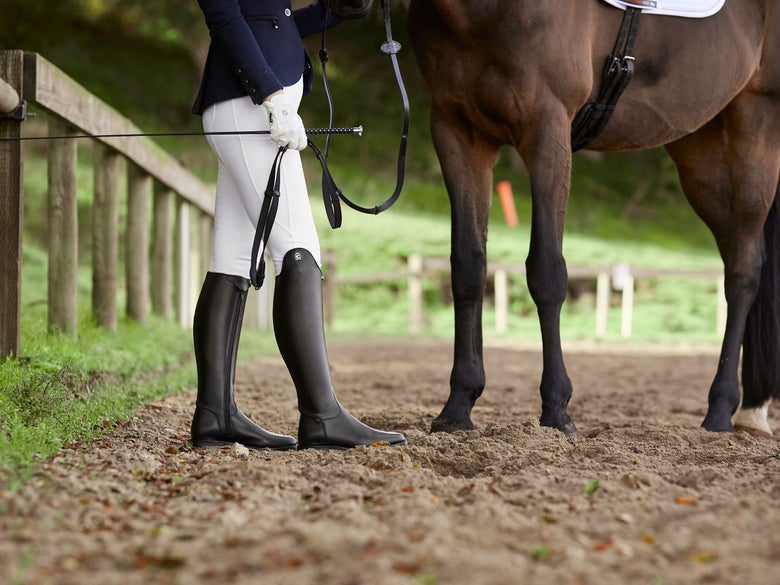
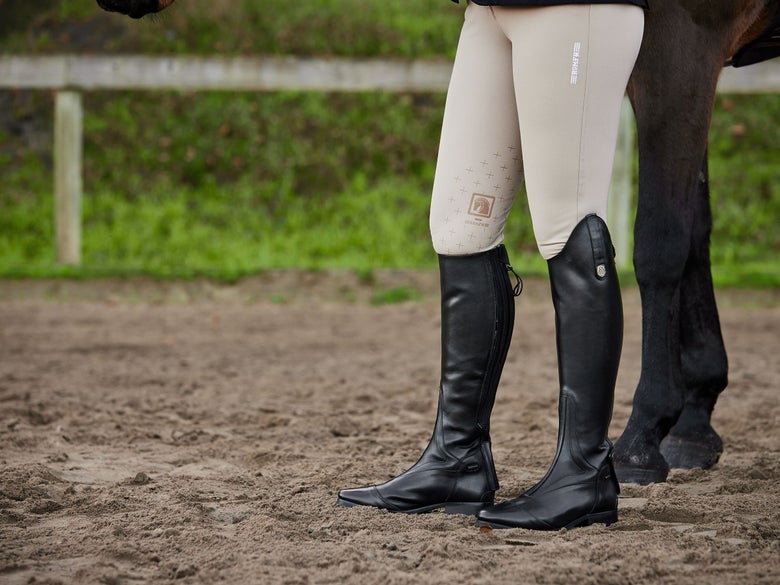
Although dressage boots could be considered dress boots, they have been given their own category due to their unique rigid structure. Sometimes referred to as "stovepipe boots," these are the most traditional, formal type of tall boots for the dressage arena. Dressage boots are not seen in the other disciplines as they are designed for a longer stirrup position and maximum lower-leg stability. They are often called stovepipe boots due to their reinforced exterior, creating a very straight appearance and stiff-to-the-touch feel. The zipper is placed on the inside panel near the front of the calf to allow for a sewn-in reinforcement along the back, which prevents the boots from wrinkling after breaking in. Only the ankle area softens and drops, unlike field and dress boots which soften in both the calf and ankle. Dressage boots do not have laces and tend to have a more European squared toe box.
New dressage riders typically do not wear dressage boots because they offer a different feel that may be uncomfortable for inexperienced riders used to dress or field boots, or paddock boots and half chaps. They are designed for a rider with a trained leg, as they can provide some stability in the lower leg for upper-level skills. We provide this as a fair warning, not to intimidate, because dressage boots can be comfortable after some break-in. We recommend that riders break in their dressage boots for a solid 30 days before competition so they can adjust to the unique feel in the saddle. The styling on dressage boots can vary from simple black, to colors, and even crystal stud detailing.
Some distinguishing factors for dressage boots:
Worn in these disciplines: Dressage
Added height for drop: .75-1 in / 1.9-2.5 cm
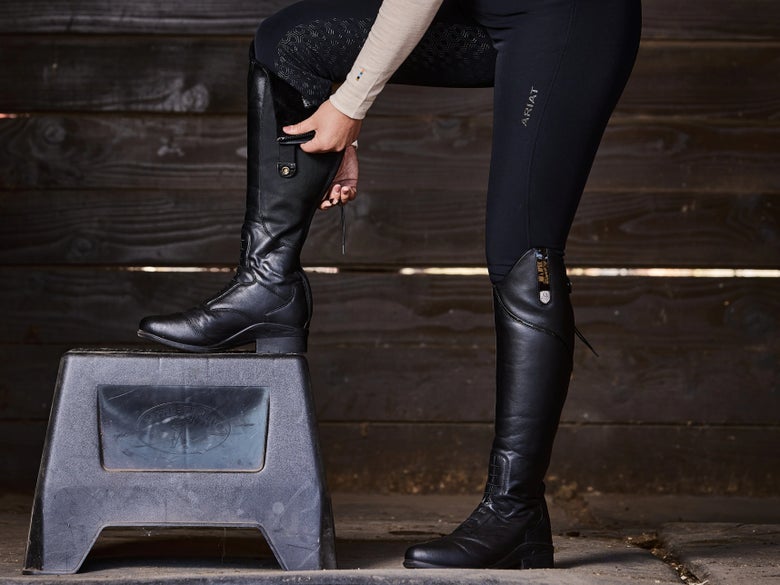
Field, dress, and dressage boots are the most common types of English riding tall boots, but not the only types. Polo, hunt, schooling, and winter tall boots are other styles that you may have heard about. Polo boots are only used in polo and polo crosse and feature a more structured footbed and ankle. They also utilize a front zipper, often partially or fully covered by leather. This is to help protect from bumps and strikes from opposing horses and mallets. Hunt boots are the classic image of equestrian footwear. They have a traditional look with black foot and vamp with a brown top. The construction of the boot is based on what the rider prefers, though pull-on tall boots and those resembling dressage boots are most common. If you plan to hunt, it is advised to check with your specific club for any attire and dress guidelines. Schooling boots refer to boots used in training or at home and can be made out of lightweight materials or with fun colors and accents. Performance riders will often keep a separate pair of nicer show boots rather than wearing them out with everyday use. Lastly, winter tall boots need little definition but the most recognition. Having a warm, waterproof boot can make or break your chilly season, so investing in a pair that will keep you cozy can be very valuable. Check out our favorite winter riding boots!
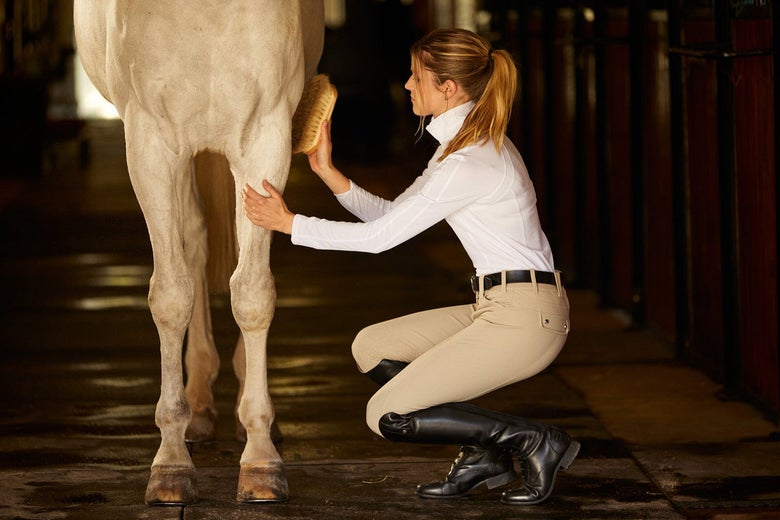
Ariat Heritage Contour II Field Zip Tall Boots
Walking the line between performance and style are the Ariat Heritage Contour II Field Boots. Packed with features like 4LR™ technology for support and a Duratread™ outsole for ultimate grip, these cushioned boots are designed for everyday comfort and success in the show ring. The ultra-contoured fit around the ankle, along with a premium full-grain leather upper and full-length elasticized panel, keeps riders happy in the saddle all day long. Plus, with elegant detailing and a Spanish cut topline, these boots have everything you need when it comes to quality, comfort, and style!
| Key Features: | Why We Love This Feature: |
Full Leather Lining | Soft Feel Against Your Leg |
Full-Grain Leather Upper | Full-Grain Offers Grip & Security |
Slim Through Ankle | Smoother & Streamlined Look |
Spanish Cut Topline | Elongates the Look of the Leg |
Elasticized Laces | Classic Field Boot Styling |
4LR™ Technology | All-Day Comfort |
Duratread™ Outsole | Traction In & Out of Saddle |
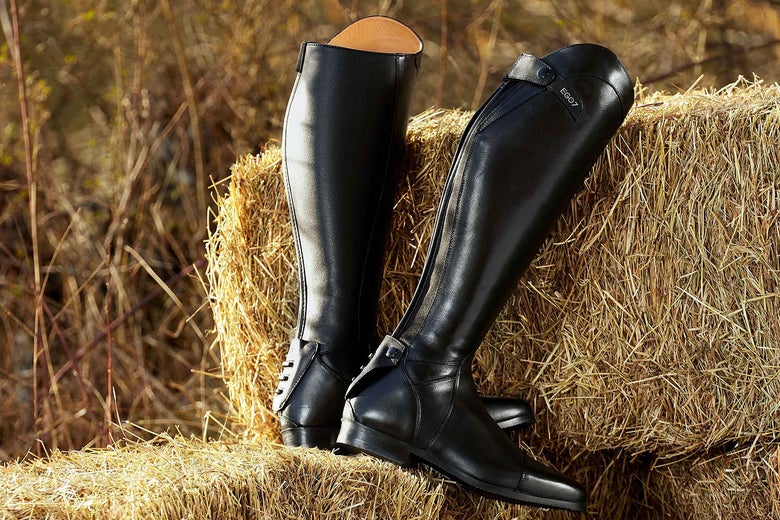
EGO7 Aries Tall Dress Boots
Designed in Italy, the Aries boots from EGO7 are a favorite among the RW Crew, and for good reason! These boots feature a padded heel flap that adds protection and comfort, plus they offer a spur rest with three adjustment levels. The fitted, contoured shape creates a sophisticated appearance without sacrificing comfort or durability. The cowhide footbed with a 2mm anti-shock insole and antibacterial layer makes these boots comfortable even after a long day of wear. Also available in a brown or a black field boot style, the Aries brings an elegant style to every ride.
| Key Features: | Why We Love This Feature: |
Full-Grain Italian Leather | High-Quality Leather for Durability |
Anti-Shock Insole | Comfort In & Out of Saddle |
Antibacterial Layer | Keeps Feet Fresh |
Aggressive Tread | Keeps Riders Keep Their Stirrups |
Padded Heel Flap | Prevents Pinching |
Available in Unisex Sizing | Fits Both Women & Men |
The Riding Warehouse Crew has found that the Aries Tall Boots do not drop as much as typical tall boots.
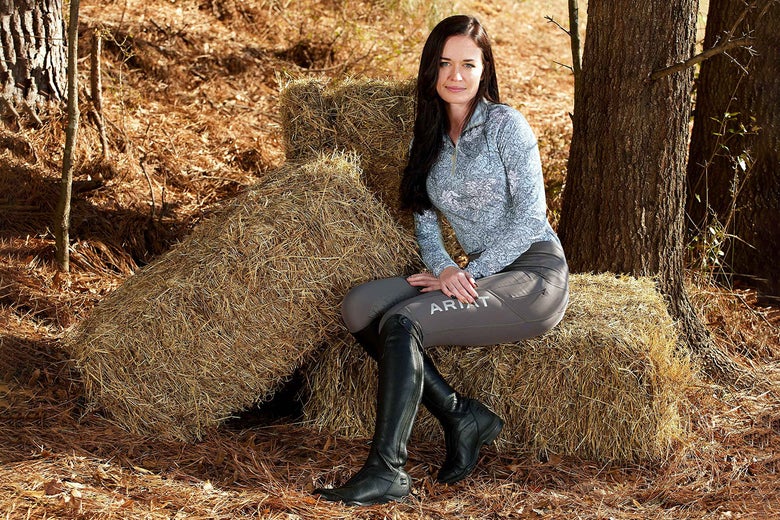
Ariat V-Sport Tall Zip Boots
The V-Sport boots by Ariat are our longtime favorites for schooling due to their sneaker-level comfort. These are the perfect boots for long days at the barn or for coaches who need to wear them for extended periods. Light perforation offers higher breathability than the average pair of tall boots. A full-length, elasticized panel and elasticized instep ensure comfort no matter your outfit of the day. Finally, the high Spanish top blends classic elegance with modern styling for a traditional look.
| Key Features: | Why We Love This Feature: |
| Full-Grain Leather with Perforation | Highly Breathable |
| ATS Footbed with Sneaker-Level Comfort | Highly Comfortable for All-Day Wear |
| Moisture-Wicking Sock Liner | Fresh Feeling for Every Ride |
| Spanish Top and Modern Detailing | Sporty Look |
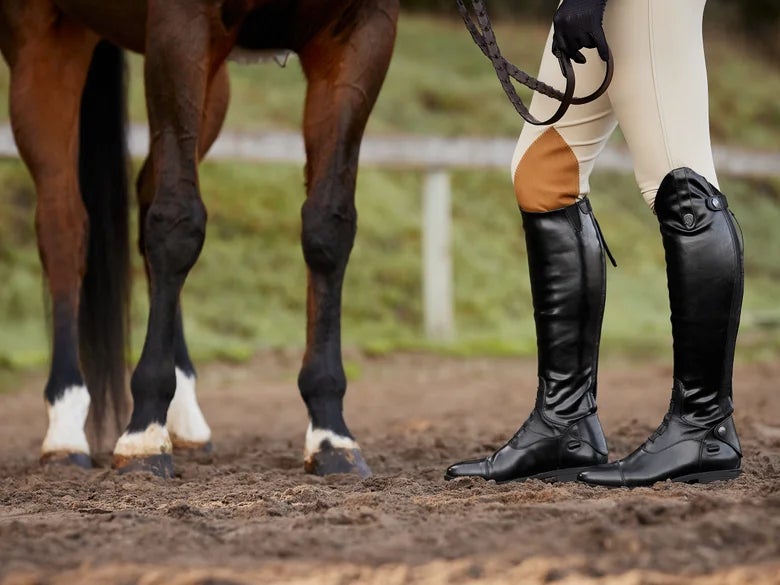
Ovation Sofia Tall Field Boots
Ovation created the perfect starter boot, which is built with all the features of more expensive tall boots at a cost-conscious price point. The super-soft leather and full-elastic gusset feel broken in right out of the box. Ovation didn't spare the details on these boots either, featuring a moderate Spanish top and rounded toe. A great choice for your first pair of tall boots, or even your fiftieth pair, you are sure to love riding in style in the Sofia!
| Key Features: | Why We Love This Feature: |
| Soft Full Grain Leather | Easily Breaks In |
| Moderate Spanish Top | Elongates Leg |
| Soft, Moisture-Wicking Lining | Fresh Feeling for Every Ride |
| Dual Spur Rests | Versatility for Riding Different Horses |
| Zipper Protector | Protects the Zipper from Damage |
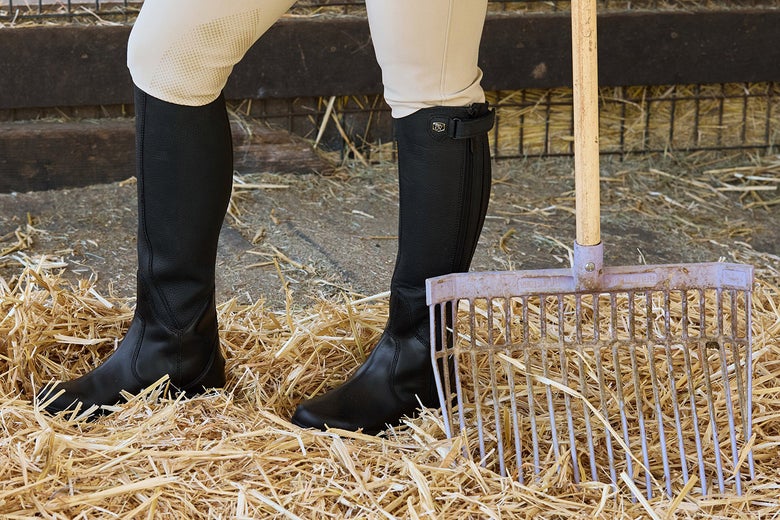
Ovation Moorland II Highrider Tall Boots
From their sophisticated style to their practical functionality, the Moorland II boots are our top pick when it comes to finding footwear that can handle both the barn and town. They pair great with jeans for casual outings yet are durable enough for the saddle; they're even waterproof at the foot, so rainy days can't bring your footwear game down. In short, we love these tall boots for their versatility within the equestrian lifestyle!
| Key Features: | Why We Love This Feature: |
| Breathable Lifestyle & Riding Boot | Looks Great with Jeans or Breeches |
| Full-Grain Leather | Grippy Leather Offers Security |
| Waterproof Foot | Puddle-Friendly Boot |
| Elastic Gusset with Hook & Loop Closure | Great for Larger Calf Riders |
| Also Available in Brown | Mutliple Color Options |
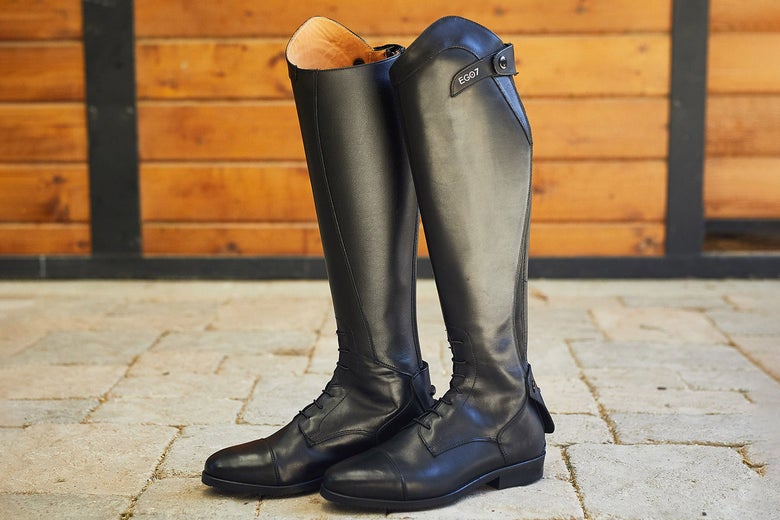
EGO7 Orion Field Boots
The Orion boots are our top pick for men due to their unisex sizing to accommodate male English riders. Crafted of only the finest full-grain leather, the Orion boots feature a smart guide in the front panel eases ankle movement and encourages a heels-down position. The light yet flexible hand-sewn rubber outsole features an aggressive tread for security in the stirrups, while a rear elastic band ensures comfortable movement both in and out of the saddle. Complete with thoughtful details including a spur rest with three adjustment levels, double-stitched seams along stress lines, and a padded leather flap at the heel, these boots will keep equestrians riding and looking their very best!
| Key Features: | Why We Love This Feature: |
| Full-Grain Italian Leather | High Quality Leather for Durability |
| Black or Brown Field Boot | Multiple Color Options for Rider Preference |
| Rubber Outsole with Aggressive Tread | Traction In & Out of Saddle |
| Padded Heel Flap | Prevents Pinching, Adds Comfort |
| Available in Unisex Sizing | Fit Both Women & Men |
The Riding Warehouse Crew has found that the Orion Tall Boots do not drop as much as typical tall boots.
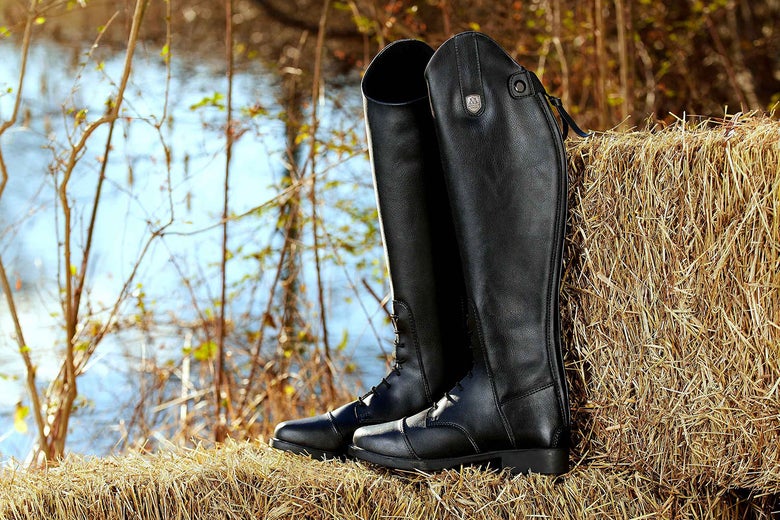
Mountain Horse Veganza Tall Field Boots
The animal-friendly and eco-friendly Mountain Horse Veganza tall boot are our pick for little equestrians! Made of a synthetic, vegan leather, these tall boots were designed for easy cleaning and durability. The elastic along the shaft will stretch for your young rider's calves, offering a comfortable and adaptable fit as they grow. The Vertycore sole system reduces impact and provides support in the saddle or around the barn, so your kiddo can keep going strong!
| Key Features: | Why We Love This Feature: |
| 100% Vegan Leather | Animal-Friendly Design |
| Elastic Along Shaft for Versatile Fit | Fits a Variety of Calves |
| Vertycore 4D Shock Impact-Reduction Technology | All-Day Foot Comfort |
| Dirt-Repellent Tread Zones | Great Traction in the Irons |
| Available in Kid's Sizing | Fits a Wide Range of Kids |
You will need a cloth measuring tape, your favorite breeches and socks, and a barn mate! We suggest measuring in centimeters, as it leads to the highest accuracy. If your selected boot depicts the sizes by inches, we recommend measuring in centimeters and then converting to the closest measurement in inches.
Provided below is a helpful how-to video on measuring and sizing tall boots:
Step 1: Dress in your competition or everyday riding breeches and socks before taking measurements. Measuring on a bare leg can lead to a boot that is too tight. However, there is no need to wear your thickest pair of winter breeches (which could lead to a saggy boot); your tall boots will fit comfortably with thicker breeches after breaking them in.
Step 2: Sit in a chair (or on a tack trunk, mounting block, etc.) that puts your legs at a 90-degree angle, with your feet flat on the ground.
Step 3: For the calf measurement, keep your legs relaxed and have your buddy measure the circumference of the widest point of your calf muscle. We recommend moving the tape around a bit and taking a few different measurements to find the biggest point.
Step 4: For the height measurement, make sure your legs are still at a 90-degree angle. Also, ensure your knees are not leaning in or out; you want them straight up and down. Have your buddy measure the back of your leg from the bottom of your heel where it meets the floor, then up to the back bend of your knee. Do not be afraid of measuring fully up into the curve of your knee bend, as the boots will drop over time.
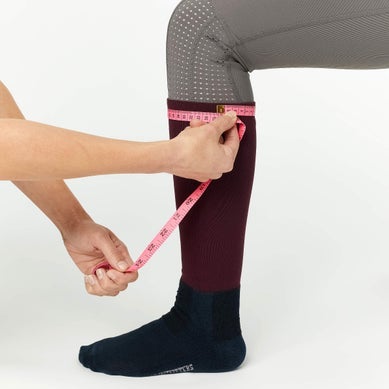
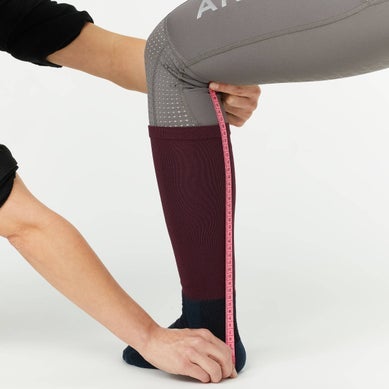
After finding your height measurement, you will want to add the additional height amounts listed below to factor for the drop on your selected boot style:
Step 5: If you tend to bounce between shoe sizes or are purchasing boots in European sizing for the first time, you can measure your foot length as well. Making sure your foot is flat on the floor, place the tape at the very back of your heel and measure to your longest toe. If measuring for European sizes, your measurements in centimeters will be your EU size.
The most common fit issue is a calf that's too large. When trying on boots, it can be a challenge to imagine that a boot with such a tight leg is going to be comfortable, but they do change significantly after breaking in. The photo below is an example of what happens when you go with a boot that's too large. Both are the Ariat V Sport tall boots in the same foot size and height, and are fully broken in. The boot on the left is a calf size Regular while the boot on the right is a calf size Slim. The Slim calf boot is the proper fit for this rider, even though before breaking in, the Regular was more comfortable and wasn't visibly big on the leg. As you can see, after break-in, the Regular boot has wrinkled and dropped to such a degree that the rider's hand can fit well into the boot. In the proper size, only the rider's fingertips can fit at the very top.
Another fit issue is getting a boot that is too tall. If the boot is too tall, the rider's knee is impeded and can't bend comfortably. Before breaking in, the front of your boots should touch your kneecap. Brand new, the back of the boot will most likely feel too tall and you may feel pinching in the crease behind your knee. After breaking in your boots, the front should be just below your knee and you should be able to bend your leg comfortably without pinching in the back. Once broken in, you should notice wrinkles around the ankle. Wrinkles around your calf can indicate that the boot is too wide or that it is too tall. In the photo below, the boot on the left with the Regular sized calf has dropped significantly, resulting in a bunched and collapsed look. The boot on the right with the Slim sized calf fits this rider nicely, as shown by the slight wrinkles in the ankle and a smooth and snug calf.
If your boots feel too short pre-break-in then you should order a taller height—they are only going to get shorter! If they feel too tight, you might need to size up but keep in mind that the leather will stretch and become more comfortable.
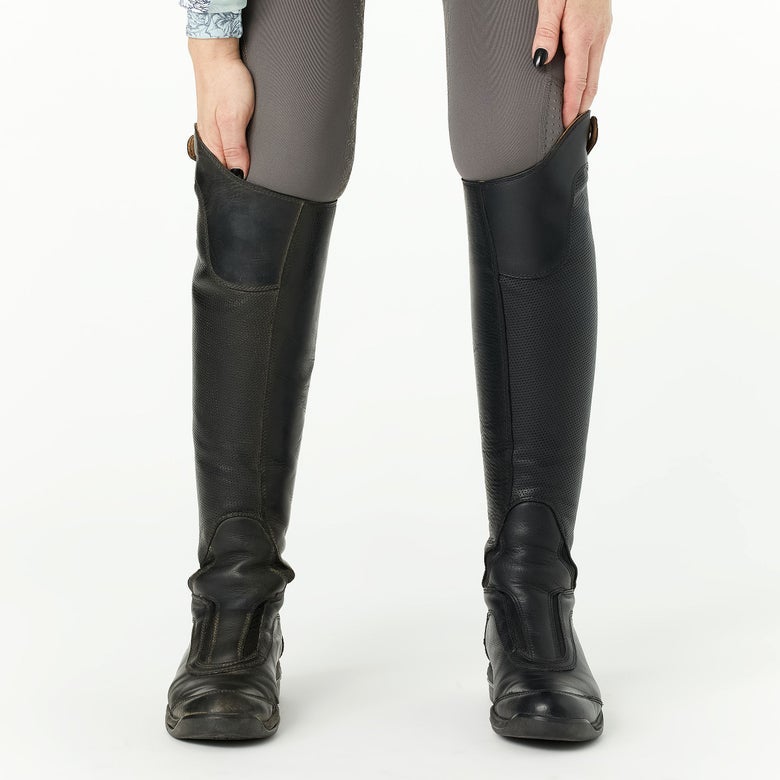
Sit in a chair with your leg bent at a 90-degree angle. Wear your usual riding pants and socks. Using centimeters, measure the circumference of the widest part of your calf, and the length of the back of your calf, from the crease of your knee to the floor. Add .75-1" to the length if you plan to get dressage boots and 1-2" for dress or field boots.
Your boots should be snug and smooth on your leg. Wrinkles in the ankle mean mobility, wrinkles in the calf mean it's too big or too tall! If your boot covers any portion of your knee or pinches the back of your knee once broken in, they are likely too tall. If your boots feel too short pre-break-in then you should size up—they are only going to get shorter! If they feel too tight, you might need to size up but keep in mind that the leather will stretch and become more comfortable.
Take your dog (or horse) for a walk, do chores, ride in them, and last resort, put them on and go in a shower and get them soaking wet. This will help the leather mold to your leg; just make sure to condition and care for your boots afterward!
Just like all leather, some water is fine but make sure to condition and care for it after getting it wet. Regular cleaning will extend the life of your tack and keep it looking as good as new! Certain winter- and weatherproofed tall boots are made from synthetic material or are treated so that they are waterproof.
Black and brown tall boots are accepted in most disciplines. No style (i.e. field, dress, dressage boots) is required for competition. For USEF governing rules, check out their full list of disciplines.
Regardless of discipline, having a properly fitted tall boot is essential for your comfort and for conveying accurate leg aids with your horse. We hope this article has helped you figure out what tall boot type you like as well as what size you need. If you are currently on the hunt for your next pair of tall boots and need some inspiration, feel free to reach out to our helpful customer service team at info@ridingwarehouse.com or 1-800-620-9145. Ride on!