The Basics of Horse Deworming
Worms are an unpleasant thought, and as horse owners we know that it's important to keep these pesky internal parasites in check. Parasites can plague any horse, anywhere in the world. Even the cleanest of properties can see parasite traffic, so it's important to have your horse on a regular deworming cycle. However, the type of cycle you choose is decided by several factors, and horses in different areas and barnyards will require different regimens. Read on below to discover how horses get worms, signs and symptoms, common types of worms, and how dewormers can treat infections.
How Horses Get Worms
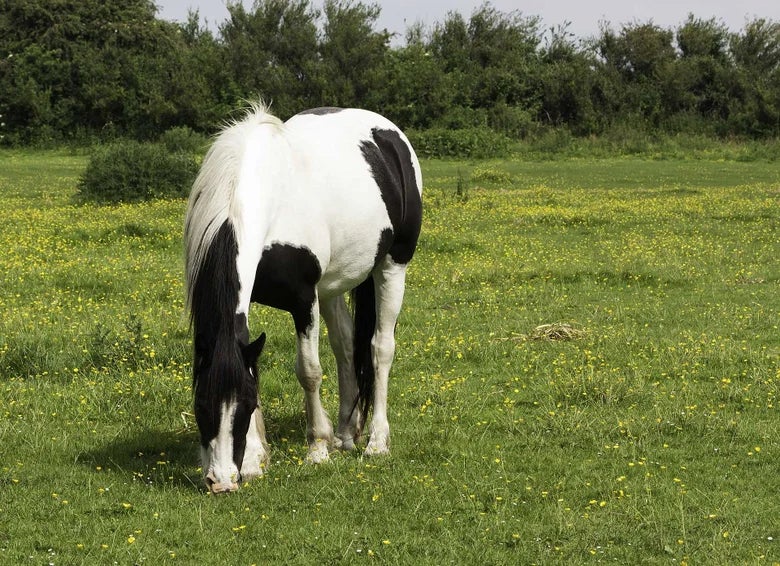
Horses most often get worms from grazing in a contaminated environment. Contaminated is not necessarily synonymous with dirty or poorly kept. Other visiting wildlife can introduce a parasite into your horse's environment. Once ingested, worms can grow and reproduce in the digestive tract. Eggs or larvae are then shed in the manure, reintroducing them back into the environment to continue the cycle. Managing manure throughout the barn area and pasture can reduce your horse's risk of exposure. Especially in smaller stable setups, going over paddocks with an arena drag on a surface setting can help break manure down, therefore reducing a horse's exposure. Keeping every horse on the property regularly dewormed is the most significant factor in reducing risk. If every horse is dewormed, then they are less likely to pass them back and forth.
Signs and Symptoms
While a light worm load is normal and usually does not present any problems, worms that go untreated can cause a variety of health issues. Since worms primarily affect the GI tract, common symptoms include weight loss, loose stools, reduced appetite, and colic. Other things to look out for are a dull or rough coat, skin problems, slow growth in younger horses, and poor performance and recovery. One of the earliest signs of possible parasite problems is tail scratching. This can sometimes be caused by a dirty sheath or udder, but if those are clean and they are still rubbing, it's time to consider deworming. In very severe cases, worms can even cause damage to the horse's internal organs and become fatal.
If you're concerned your horse may have worms, your veterinarian can perform a fecal exam to identify how many and what type they have and develop an appropriate treatment regimen.
Types of Worms
| Parasite Name | Scientific Name | Symptoms | Clinical Risks | Affected Horses |
| Ascarids or Roundworms | Parascaris equorum | Nasal discharge Coughing Lack of energy Signs of colic | Poor growth Small intestine impaction and rupture colic | Prevalent in foals and horses under 2 |
| Large Strongyles | Strongylus vulgaris Strongylus endentatus Strongylus equinus | Fever Signs of colic Elevated heart rate Mild pain Rectal mass Red mucous membranes | Bloodworms (S. vulgaris) can burrow in artery walls Severe colic Tissue death Intussusception Intestinal twisting, bleeding, or rupture | Most prevalent in horses under 3 |
| Small Strongyles | Cyathostomins ssp. | Dehydration Diarrhea Weight loss Signs of colic | Circulatory shock Edema of sternum, distal limbs, and genitalia | Those in mild temperature climates |
| Pinworms | Oxyuris equi | Tail rubbing Hair loss | Skin infections | All ages |
| Tapeworms | Anoplocephala perfoliata | Signs of colic Diarrhea Weight loss | Intestinal twisting, impaction, and rupture | All ages |
| Bot Flies | Gasterophilus | Sinus irritation Mouth irritation Signs of colic Weight loss | Anemia Peritonitis Gastric rupture Intestinal blockage | All ages in summertime |
Dewormers: Types, Ingredients, and Usage
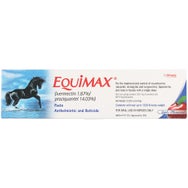
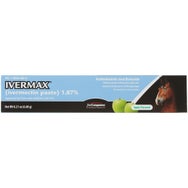
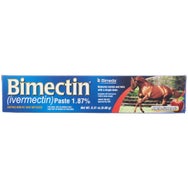
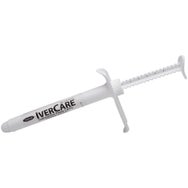
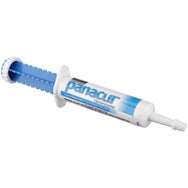
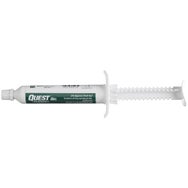
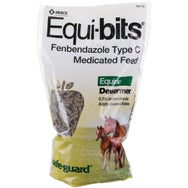
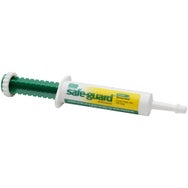
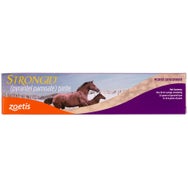
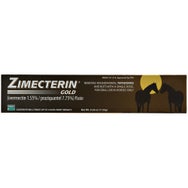
Dewormers are available in paste and feed-through forms. Pastes are used to purge worms from the GI tract once they are established and are used weeks or months apart. On the other hand, feed-through products are usually fed daily as a preventative. Depending on the active ingredient, dewormers will target different parasites. There are four classes of ingredients used for deworming horses:
- Macrocyclic Lactones (Ivermectin and Moxidectin): These treat the broadest amount of worms including strongyles, pinworms, ascarids, and bots.
- Benzimidazoles (Fenbendazole and Oxibendazole): These treat strongyles, ascarids, and pinworms.
- Tetrahydropyrimidines (Pyrantel Pamoate and Pyrantel Tartrate): These also treat strongyles, ascarids, and pinworms. Pyrantel Pamoate is used in paste dewormers while Pyrantel Tartrate is used in daily feed-through products.
- Praziquantel: This is an ingredient that does not fall into the other three groups. It is usually included alongside other ingredients like Ivermectin to treat tapeworms.
It is recommended to have your vet do a fecal exam annually. Many horse owners do this at the same time as their Coggins test to maintain a consistent schedule. Having an annual fecal test done ensures that you can put your horse on the appropriate deworming rotation. They will either be a low, moderate, or high shedder. The level determines which wormers they need and when they need them. For foals or pregnant mares, consult your vet, as their deworming program will differ from an adult horse.
| Season | Low Shedder (<200 epg) | Moderate (200-500 epg) | High (>500 epg) |
| Spring (March) | Ivermectin or Moxidectin | Ivermectin or Moxidectin or double dose Fenbendazole | Ivermectin or Moxidectin or double dose Fenbendazole |
| Summer (June) | N/A | N/A | Pyrantel Pamoate or Fenbendazole or Oxibendazole |
| Late Summer (July) | N/A | Ivermectin or Fenbendazole | N/A |
| Early Fall (September) | N/A | N/A | Ivermectin w/ Praziquantel or Moxidectin w/ Praziquantel |
| Fall (October) | Ivermectin w/ Praziquantel or Moxidectin w/ Praziquantel | Ivermectin w/ Praziquantel or Moxidectin w/ Praziquantel | N/A |
| Late Fall (November) | N/A | N/A | Pyrantel Pamoate or Fenbendazole or Oxibendazole |
Frequently Asked Questions
Should I follow a horse deworming schedule?
Yes, a horse deworming schedule is a great way to stay on top of worms and parasites your horse naturally picks up. If you aren't sure where to start, we have created a schedule for you to reference which may be found above. Your local vet is also a great resource to help you build a schedule!
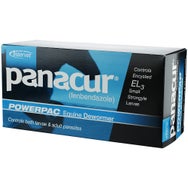
What is a Panacur PowerPac?
A Panacur PowerPac is essentially a "double dose" typically recommended for high shedder counts. It targets large strongyles, small strongyles, pinworms, ascarids, and arteritis in horses.
Do I need to deworm a horse that doesn't travel off property?
Yes! Horses naturally get worms from grazing, typically wildlife brings them to the property then your horse ingests them. They can travel through manure and be ingested by other horses on the property. So regardless of travel habits it is recommend to deworm and/or have fecal tests performed periodically to ensure low numbers.
What are signs that my horse needs to be dewormed?
Common signs of high worm count is weight loss, difficultly maintaining weight, dull count, coat texture changes, loss of muscle tone, loose stool, tail rubbing, or a "pot belly". In extreme cases you may see drastic weight and muscle loss, very poor coat condition, large "pot belly", chronic diarrhea, or colic.
The best rule of thumb to prevent worms is to deworm or run fecal tests prior to seeing any of the symptoms listed above to avoid any lasting health consequences.
Closing Thoughts
Deworming your horse regularly is pivotal to a long healthy life. Parasites can strike in any barn, whether there are horses that travel throughout the year or the barn stays more isolated. Other wildlife can introduce harmful parasites to your horse's environment, so all horse owners need to stay on top of their deworming regimen. Figuring out the right regimen can feel overwhelming, that is why we always recommend talking with your vet and having annual fecal exams performed. That way you can deworm with confidence and keep your horse happy and healthy for years to come!
If you have any further questions about dewormers, please contact us at info@ridingwarehouse.com or at 1-800-620-9145. Happy riding!